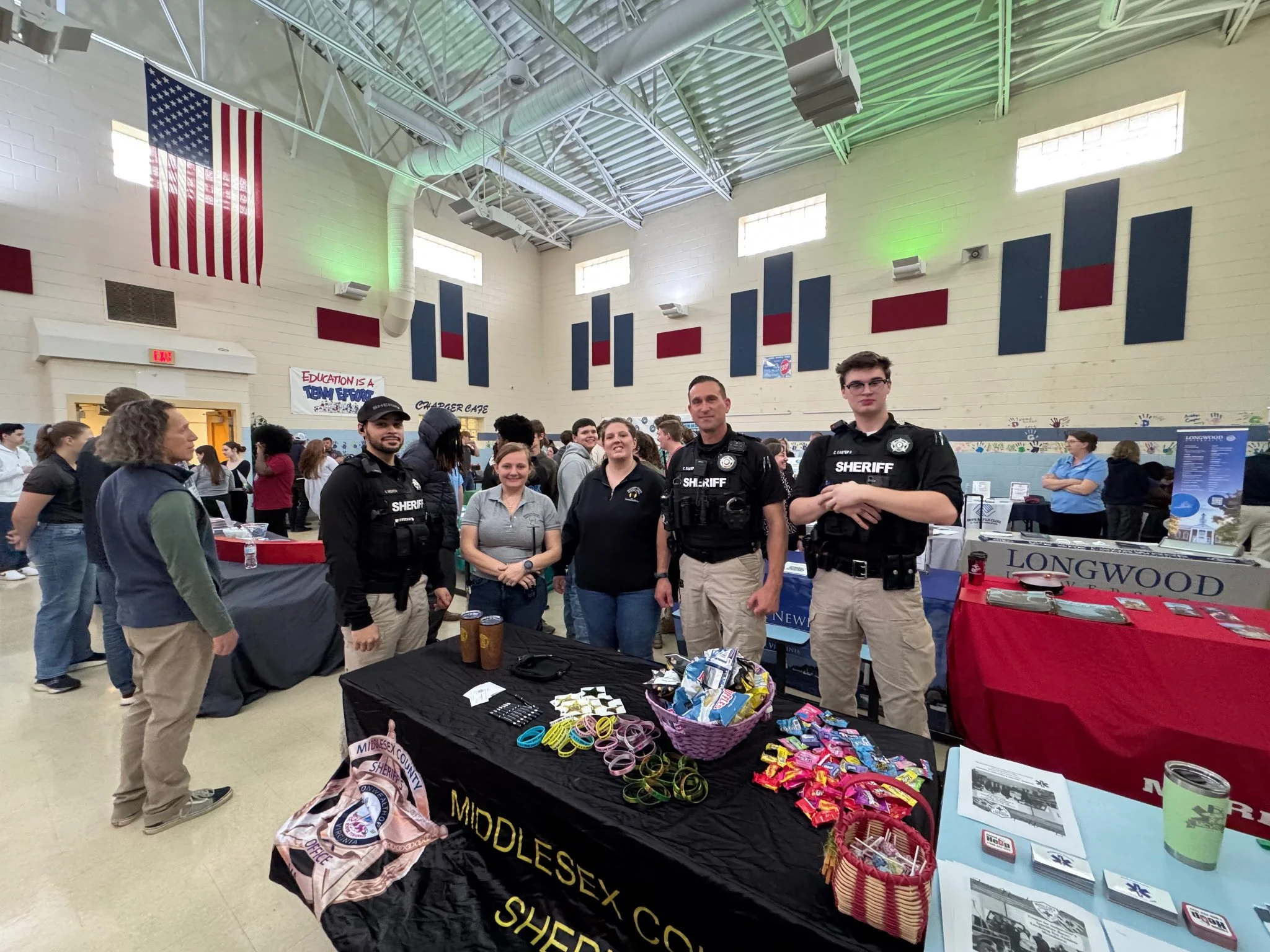
30+ Years of :
Leadership, Public Service, Integrity, Accountability, Dedication, Commitment, Professionalism, Community Engagement, Trust, Transparency, Courage, Discipline, Mentorship, Team Building, Problem Solving, Decision Making, Public Safety, Crisis Management, Responsibility, Character, Experience, Reliability, Respect, Communication, Adaptability, Strategic Planning, Training & Development, Service Before Self, Duty, Results, Judgment, Justice, Dependability, Initiative, Decisiveness, Tact, Professional Bearing, Unselfish Service, Knowledge, Loyalty, Endurance, Honesty, Fairness, Compassion, Trustworthiness, Resilience, Vision, Humility.
Leadership, Public Service, Integrity, Accountability, Dedication, Commitment, Professionalism, Community Engagement, Trust, Transparency, Courage, Discipline, Mentorship, Team Building, Problem Solving, Decision Making, Public Safety, Crisis Management, Responsibility, Character, Experience, Reliability, Respect, Communication, Adaptability, Strategic Planning, Training & Development, Service Before Self, Duty, Results, Judgment, Justice, Dependability, Initiative, Decisiveness, Tact, Professional Bearing, Unselfish Service, Knowledge, Loyalty, Endurance, Honesty, Fairness, Compassion, Trustworthiness, Resilience, Vision, Humility.
Professional Experience
Sergeant Major Christopher J. Easter devoted more than twenty-seven years to serving the United States Marine Corps before continuing his commitment to public service as a Deputy Sheriff in Virginia. Throughout his career he has led organizations ranging from small tactical teams to commands responsible for thousands of Marines, Sailors, and family members. His experience spans combat deployments, international advisory missions, law enforcement, executive leadership, personnel management, training development, strategic planning, and community engagement.
A Distinguished Military Service
United States Marine Corps
July 1996 - July 2023
Recruit Training and School of Infantry
Chris Easter entered the United States Marine Corps in July 1996 and completed recruit training at Marine Corps Recruit Depot San Diego, California. Following recruit training, he attended the School of Infantry where he received specialized instruction in infantry tactics, weapons systems, small-unit leadership, land navigation, and combat operations.
What is the School of Infantry?
The School of Infantry prepares newly trained Marines to operate effectively in combat environments and serves as the foundation for future leadership and tactical development.
Ceremonial Marcher - Marine Barracks Washington, D.C.
Following infantry training, Chris Easter was assigned to Marine Barracks Washington, commonly known as “8th & I.” This historic assignment is responsible for ceremonial duties supporting the President of the United States, senior government officials, military ceremonies, and national events.
What is Marine Barracks Washington, D.C. (8th & I)?
Marine Barracks Washington, D.C. (8th & I) is the oldest active post in the United States Marine Corps and serves as the ceremonial center of the Marine Corps. Marines assigned there represent the Marine Corps before senior military leaders, members of Congress, foreign dignitaries, presidents, and the American public.
Assignment to 8th & I is highly selective. Marines are chosen based on their professionalism, military appearance, discipline, attention to detail, and ability to uphold the highest standards of the Marine Corps.
3rd Light Armored Reconnaissance Battalion
Chris Easter later joined 3rd Light Armored Reconnaissance Battalion, a highly mobile combat unit specializing in reconnaissance, security operations, and rapid battlefield maneuver.
What is 3rd Light Armored Reconnaissance Battalion?
The 3rd Light Armored Reconnaissance Battalion is a specialized combat unit within the United States Marine Corps responsible for gathering battlefield intelligence, conducting reconnaissance missions, providing security for larger military forces, and rapidly responding to emerging threats. Utilizing highly mobile armored vehicles equipped with advanced communications and weapons systems, the battalion serves as the “eyes and ears” of Marine commanders by locating enemy forces, monitoring areas of interest, and providing critical information that supports operational decision-making.
Unlike traditional infantry units that are primarily tasked with seizing and holding terrain, Light Armored Reconnaissance Marines focus on mobility, surveillance, security operations, and rapid maneuver across large areas. Their missions often require operating independently, covering long distances, and making quick tactical decisions in dynamic and potentially hostile environments.
Throughout his service with 3rd Light Armored Reconnaissance Battalion, Chris Easter served in multiple leadership positions of increasing responsibility, including Scout Team Leader, Squad Leader, Platoon Sergeant, and Vehicle Commander. In these roles, he led Marines during training exercises, overseas deployments, combat operations, and reconnaissance missions while developing expertise in leadership, operational planning, personnel management, and mission execution.
How This Relates to Law Enforcement
A sheriff must lead people through challenging situations, make sound decisions under pressure, and ensure the safety of both personnel and the community. The School of Infantry develops these abilities by emphasizing leadership, accountability, teamwork, situational awareness, and decision-making in demanding environments. These principles directly support the responsibilities of modern law enforcement leadership and public safety.
How This Relates to Law Enforcement
Service at Marine Barracks Washington, D.C. required maintaining exceptional standards of professionalism, discipline, accountability, and public representation. Just as deputies and sheriffs are entrusted to represent their communities and agencies with integrity, Marines assigned to 8th & I serve as public ambassadors for the Marine Corps. This experience reinforced the importance of professionalism, public trust, attention to detail, and representing an organization with honor and credibility.
How This Relates to Law Enforcement
Effective law enforcement requires more than reacting to incidents—it requires gathering information, assessing risks, identifying potential threats, and making informed decisions before situations escalate. Service in 3rd Light Armored Reconnaissance Battalion emphasized intelligence gathering, situational awareness, operational planning, and the ability to evaluate rapidly changing circumstances. These same skills are essential in law enforcement, where agency leaders must analyze information, anticipate challenges, allocate resources effectively, and make decisions that enhance public safety.
Scout Team Leader
As a Scout Team Leader with 3rd Light Armored Reconnaissance Battalion, Chris Easter was responsible for leading a small team of Marines during reconnaissance, security, and combat operations. His primary responsibility was to gather critical information, assess potential threats, and provide accurate reports that assisted commanders in making informed operational decisions.
This position required leadership under pressure, sound judgment, effective communication, and the ability to make rapid decisions in dynamic and potentially hostile environments. In addition to mission execution, he was responsible for the training, welfare, accountability, and professional development of the Marines assigned to his team.
Serving as a Scout Team Leader provided Chris Easter with early leadership experience that helped establish the foundation for his progression into increasingly senior leadership positions throughout his military career.
Skills Learned:
• Small-unit leadership and team management
• Intelligence gathering and information analysis
• Threat assessment and risk evaluation
• Decision-making under pressure
• Accountability and personnel supervision
• Effective communication
• Mission planning and execution
• Situational awareness
• Problem solving in dynamic environments
• Training and mentorship
How This Relates to Law Enforcement
The responsibilities of a Scout Team Leader closely parallel many of the core functions of modern law enforcement. Gathering intelligence and analyzing information are directly comparable to conducting investigations and developing situational awareness. Assessing potential threats and evaluating risk are essential components of both military reconnaissance and public safety operations.
Leading a small team of Marines required supervising personnel, maintaining accountability, enforcing standards, and ensuring mission readiness—responsibilities similar to those of a law enforcement supervisor overseeing deputies and agency operations.
The position also demanded rapid decision-making in high-pressure and rapidly changing environments, a critical skill for emergency response, crisis management, and public safety leadership. Combined with a strong emphasis on accountability, professionalism, and sound judgment, this experience helped build the leadership foundation necessary to effectively manage personnel, make informed decisions, and serve the community as a law enforcement leader.
Squad Leader
As a Squad Leader with 3rd Light Armored Reconnaissance Battalion, Chris Easter was responsible for leading and supervising a squad of Marines during training exercises, deployments, reconnaissance missions, and combat operations. In this role, he was entrusted with the safety, accountability, training, and professional development of the Marines under his leadership while ensuring the squad remained prepared to accomplish assigned missions.
A Squad Leader serves as the primary link between junior Marines and senior leadership, translating mission objectives into actionable tasks and ensuring they are executed safely, effectively, and professionally. This position required sound judgment, effective communication, problem-solving skills, and the ability to make critical decisions in demanding and rapidly changing environments.
Beyond mission execution, Chris Easter was responsible for mentoring Marines, maintaining discipline and standards, overseeing equipment readiness, and fostering teamwork and accountability within the unit. The leadership experience gained as a Squad Leader helped prepare him for progressively larger leadership responsibilities throughout his military career, eventually leading to service as a Battalion Sergeant Major and Regimental Sergeant Major.
Skills Learned:
Squad-level leadership and supervision
Personnel accountability and management
Training and development of Marines
Decision-making under pressure
Mission planning and coordination
Team building and morale development
Effective communication
Problem solving in complex environments
Risk assessment and operational planning
Professional standards and discipline
Mentorship and leadership development
Resource and equipment accountability
How This Relates to Law Enforcement
As a Squad Leader, Chris Easter was responsible for the leadership, training, welfare, accountability, and safety of the Marines under his command. He was entrusted with making critical decisions in high-pressure environments, managing risk, enforcing standards, and ensuring his personnel were prepared to accomplish their mission while safeguarding their wellbeing. These responsibilities closely parallel those of law enforcement supervisors, who must protect their personnel, maintain operational readiness, make sound decisions during emergencies, and uphold professional standards. The position also required mentoring and developing future leaders, fostering teamwork, and balancing mission accomplishment with the welfare of those under his leadership. This experience helped develop the leadership, accountability, risk management, and decision-making skills necessary to effectively oversee personnel, respond to critical incidents, and serve the public as a law enforcement leader.
Platoon Sergeant
As a Platoon Sergeant, Chris Easter served as the senior enlisted leader for a platoon of Marines and was responsible for the daily leadership, training, discipline, readiness, and welfare of the Marines under his charge. Working closely with the Platoon Commander, he helped plan and execute training exercises, operational missions, and deployments while ensuring personnel and equipment remained prepared to meet mission requirements.
The Platoon Sergeant serves as the principal advisor to the Platoon Commander on matters involving personnel management, morale, training, and operational effectiveness. This role required balancing mission accomplishment with responsibility for the safety, accountability, and professional development of every Marine assigned to the platoon.
In addition to supervising subordinate leaders, Chris Easter coordinated training programs, maintained operational readiness, enforced standards, managed resources, and mentored Marines at all levels. The position demanded strong leadership, organizational skills, decision-making ability, and the capacity to lead effectively in both training and operational environments.
Skills Learned:
Large-team leadership and supervision
Personnel management and accountability
Training and readiness management
Operational planning and coordination
Risk assessment and mitigation
Crisis management and emergency response
Leadership development and mentorship
Resource and equipment management
Strategic decision-making
Performance management and evaluation
Communication across multiple levels of leadership
Problem solving in complex environments
Team building and organizational development
Discipline and professional standards enforcement
Personnel welfare and safety oversight
Mission execution and operational effectiveness
Conflict resolution
Adaptability under pressure
Organizational leadership
Public service and responsibility
How This Relates to Law Enforcement
As a Platoon Sergeant, Chris Easter was responsible for the leadership, training, readiness, accountability, and welfare of a large group of Marines while coordinating operations across multiple teams. The position required balancing mission accomplishment with the safety and professional development of those under his leadership, ensuring personnel were properly trained, equipped, and prepared to perform in demanding environments. These responsibilities closely parallel those of law enforcement leadership, where supervisors must oversee personnel, maintain operational readiness, enforce professional standards, manage resources, and ensure the safety of both deputies and the public. The role also required strategic planning, risk management, mentorship, and effective communication across multiple levels of leadership. This experience helped develop the organizational leadership, decision-making, accountability, and personnel management skills necessary to effectively lead public safety operations and serve a community with professionalism and integrity.
Vehicle Commander
As a Vehicle Commander with 3rd Light Armored Reconnaissance Battalion, Chris Easter was responsible for leading the crew of a light armored reconnaissance vehicle and ensuring the successful execution of assigned missions. While the driver operated the vehicle, the Vehicle Commander maintained overall responsibility for mission planning, navigation, communications, crew coordination, security, and tactical decision-making.
Vehicle Commanders are entrusted with making critical decisions in rapidly changing environments, directing the actions of crew members, identifying potential threats, and ensuring accurate information is relayed to higher headquarters. They must balance mission accomplishment with responsibility for the safety, welfare, and readiness of their crew.
In addition to operational responsibilities, Chris Easter supervised training, maintained accountability of personnel and equipment, enforced standards, and ensured his crew remained prepared to perform reconnaissance, security, and combat operations. The position required strong leadership, situational awareness, communication skills, and the ability to make sound decisions under pressure.
Skills Learned:
• Vehicle and equipment accountability
• Crew leadership and supervision
• Personnel safety and welfare
• Operational planning and coordination
• Tactical decision-making
• Situational awareness
• Risk assessment and mitigation
• Communication and information management
• Mission execution and oversight
• Resource management
• Team coordination
• Problem solving under pressure
• Accountability and responsibility
• Adaptability in dynamic environments
• Navigation and route planning
• Leadership under stress
• Performance management
• Safety management
• Critical thinking and judgment
• Operational readiness
How This Relates to Law Enforcement
As a Vehicle Commander, Chris Easter was responsible for the operation of a military vehicle, the safety and accountability of its crew, and the successful execution of assigned missions. The position required constant situational awareness, effective communication, sound judgment, and the ability to make timely decisions in rapidly changing environments. These responsibilities closely parallel many aspects of law enforcement, where leaders must oversee personnel, manage valuable equipment and resources, coordinate operations, and ensure the safety of both their team and the public. The role also required balancing mission objectives with risk management, accountability, and operational readiness, helping develop the leadership, organizational, and decision-making skills necessary to effectively support public safety operations and serve a community.
Promotions Achieved
Throughout his Marine Corps career, Chris Easter earned promotions through a highly competitive selection process that evaluated leadership ability, performance, experience, professionalism, and potential for increased responsibility. Each promotion required him to compete against other highly qualified Marines for a limited number of available positions, with selection based on demonstrated results and the confidence of senior leaders. Rising from Private to Regimental Sergeant Major, one of the highest enlisted leadership positions in the United States Marine Corps, reflects decades of proven leadership, accountability, and the trust placed in him to lead at progressively higher levels of responsibility.
Ranks achieved
Private (Pvt)
Began military service and learned the foundational values of discipline, accountability, teamwork, and service.
Private First Class (PFC)
Demonstrated reliability and proficiency while assuming greater responsibility within the unit.
Lance Corporal (LCpl)
Recognized as a dependable Marine entrusted with increased responsibilities and leadership expectations.
Corporal (Cpl)
Promoted into the Non-Commissioned Officer ranks and entrusted with direct leadership of Marines, training, accountability, and mission accomplishment.
Sergeant (Sgt)
Assumed greater leadership responsibilities while supervising personnel, enforcing standards, and developing future leaders.
Staff Sergeant (SSgt)
Advanced into senior enlisted leadership with responsibility for larger teams, operational readiness, personnel development, and mission execution.
Gunnery Sergeant (GySgt)
Served as a senior leader responsible for managing operations, mentoring leaders, and ensuring organizational effectiveness.
First Sergeant (1stSgt)
Selected for a key senior leadership position focused on personnel welfare, discipline, accountability, morale, and the overall effectiveness of a military organization.







Sergeant Major (SgtMaj)
Served as the senior enlisted leader of a military unit and principal advisor to commanders on leadership, readiness, training, discipline, and personnel matters.

Why this matters?
How This Relates to Law Enforcement
Pvt / PFC / LCpl
How This Relates to Law Enforcement
Equivalent to the responsibilities of front-line law enforcement personnel, such as Deputy Sheriffs and Patrol Officers. These roles focus on learning the profession, building experience, working as part of a team, and carrying out the daily mission while developing the skills necessary for future leadership.
Key Role:
Front-line personnel performing the mission.
Learning policies, procedures, and professional standards.
Building experience and reliability.
A Marine Corporal is comparable to a senior deputy or Field Training Officer who is entrusted with the direct leadership and development of others. This is often the first position where an individual is formally responsible for mentoring junior personnel, enforcing standards, maintaining accountability, and ensuring the mission is successfully accomplished.
Key Role:
First-line leader responsible for mentoring and guiding others.
Enforces professional standards and accountability.
Develops and trains junior personnel.
Leads by example while remaining actively involved in day-to-day operations.
Comparable to a Sheriff’s Office Corporal or first-line supervisor, a Marine Sergeant is entrusted with the direct supervision of personnel, the enforcement of standards, and the successful execution of daily operations. At this level, leaders are expected not only to manage people but also to develop future leaders while maintaining accountability, discipline, and mission readiness.
Key Role:
Direct supervisor responsible for personnel, performance, and daily operations.
Develops and mentors future leaders.
Maintains accountability and professional standards.
Ensures the mission is accomplished through effective leadership and decision-making.
Comparable to a Sheriff’s Office Sergeant, a Marine Staff Sergeant serves as a mid-level leader responsible for supervising multiple personnel, coordinating operations, and ensuring organizational standards are upheld. In addition to leading Marines, they are responsible for training, resource management, mission planning, and bridging the gap between executive leadership and front-line supervisors.
Key Role:
Mid-level leadership responsible for larger teams and operations.
Oversees training, readiness, and accountability.
Coordinates resources and mission planning.
Implements the commander’s vision while developing future leaders.
Comparable to a Sheriff’s Office Lieutenant, a Marine Gunnery Sergeant serves as a seasoned mid-level leader responsible for overseeing multiple teams, managing resources, coordinating operations, and ensuring organizational standards are met. At this level, leadership extends beyond direct supervision and focuses on developing subordinate leaders, planning for long-term success, and implementing the commander’s priorities.
Key Role:
Mid-level organizational leader responsible for multiple teams and supervisors.
Oversees training, readiness, and operational effectiveness.
Develops future leaders and mentors junior supervisors.
Implements command priorities while ensuring mission success..
Comparable to a Sheriff’s Office Captain, a Marine First Sergeant is a senior leader responsible for the welfare, accountability, discipline, training, and operational readiness of a large organization. Serving as the senior enlisted advisor to the commanding officer, a First Sergeant ensures that personnel are prepared to meet the mission while maintaining the highest professional standards.
Key Role:
Senior organizational leader responsible for the welfare and readiness of personnel.
Advises leadership on matters affecting the workforce.
Oversees discipline, accountability, and professional development.
Ensures the successful execution of organizational goals and mission requirements.
At the First Sergeant level, leadership is no longer measured by the number of tasks completed, but by the ability to build, mentor, and lead an entire organization while ensuring the success and well-being of its people.
Comparable to a Sheriff’s Office Major or Chief Deputy, a Marine Sergeant Major serves as the senior enlisted advisor to the commanding officer and plays a critical role in the leadership, discipline, readiness, and effectiveness of a large organization. At this level, the focus shifts from direct supervision to shaping organizational culture, developing future leaders, and ensuring the long-term success of the mission.
Key Role:
Senior executive leader responsible for large organizations and complex operations.
Advises executive leadership on personnel, training, and organizational readiness.
Oversees professional standards, accountability, and leadership development.
Influences policy implementation and the overall effectiveness of the organization.
At the Sergeant Major level, leadership is measured not only by the ability to lead individuals or teams, but by the ability to shape an entire organization, mentor its future leaders, and ensure mission success across a broad and diverse workforce.
Regimental Sergeant Major
Achieved one of the highest enlisted leadership positions in the United States Marine Corps, providing leadership, guidance, and oversight across a regiment consisting of hundreds to thousands of Marines while advising senior commanders on organizational readiness, personnel development, and mission effectiveness.
Comparable to the responsibilities of a Sheriff, Chief Deputy, or executive command staff of a large law enforcement agency, a Regimental Sergeant Major serves as the senior enlisted advisor for an organization consisting of thousands of personnel. At this level, leadership extends beyond daily operations and focuses on organizational readiness, strategic planning, personnel management, resource accountability, and long-term mission success.
In addition to leading Marines, senior enlisted leaders are entrusted with the oversight and accountability of government property, equipment, and operational resources valued in the tens of millions of dollars. Managing these assets requires sound judgment, fiscal responsibility, and the ability to ensure taxpayer-funded resources are properly maintained and effectively utilized.
Key Role:
Executive-level leader responsible for large organizations.
Senior advisor on personnel, readiness, training, and discipline.
Oversees the accountability and management of government resources and equipment valued in the tens of millions of dollars.
Develops future leaders and shapes organizational culture.
Supports long-term planning, budgeting, and strategic objectives.
A Sheriff is not only responsible for public safety, but also for managing personnel, equipment, vehicles, facilities, and a significant public budget. Chris Easter’s experience overseeing large organizations and being entrusted with government assets valued in the tens of millions of dollars demonstrates the level of accountability, fiscal responsibility, and executive leadership expected of a chief law enforcement officer.
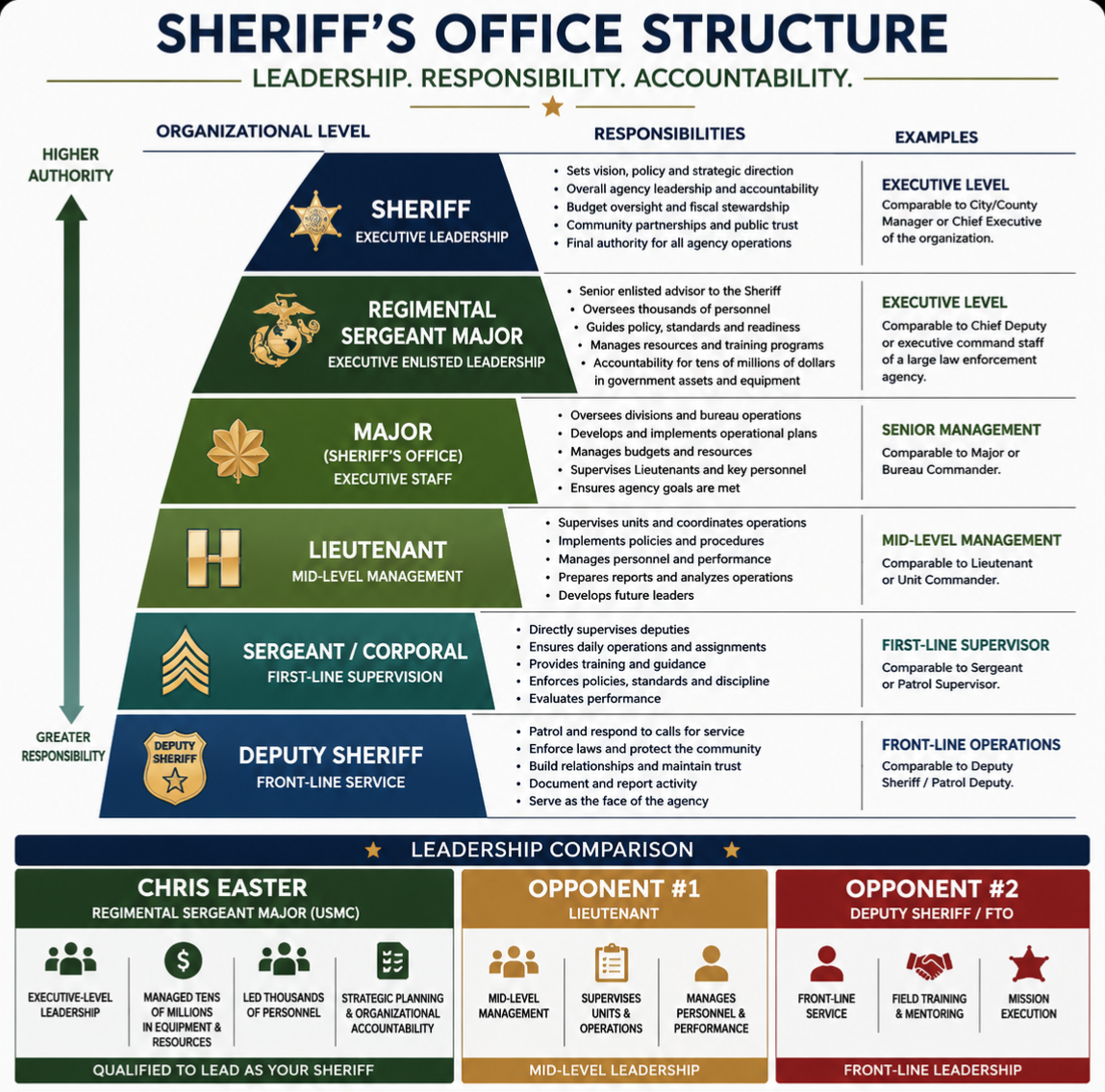
Middlesex doesn’t need the experience of another Senior Deputy, Middlesex needs the experience of a leader who can run an entire organization.
Combat Deployments
Operation Iraqi Freedom
Mission
During Operation Iraqi Freedom, Chris Easter deployed in support of military operations aimed at promoting regional stability, supporting security efforts, and assisting Iraqi governmental and security institutions as they worked to establish long-term safety and self-sufficiency. His mission focused on supporting military operations, developing partner forces, and helping create conditions that would allow local authorities to assume greater responsibility for their own security.
Responsibilities
Throughout the deployment, Chris Easter was responsible for leading Marines, coordinating mission requirements, maintaining personnel readiness, and ensuring operational objectives were completed safely and effectively. His duties included supervising personnel, planning and executing assigned missions, maintaining accountability of equipment and resources, and supporting coordination between military units and local security organizations.
Leadership Role
As a Marine Corps leader, Chris Easter was entrusted with the welfare, training, discipline, and operational effectiveness of the Marines under his supervision. He provided guidance and mentorship to junior leaders, ensured mission standards were maintained, and helped develop future leaders while operating in a challenging and rapidly changing environment. His leadership responsibilities required sound judgment, effective communication, and the ability to make critical decisions under pressure.
Training Iraqi Security Forces
A significant portion of the mission involved helping Iraqi security forces develop the skills and capabilities necessary to provide security within their own communities. Chris Easter assisted in training efforts focused on leadership development, operational planning, security procedures, accountability, professional standards, and organizational effectiveness. The goal was to help local forces become increasingly capable of conducting independent operations and maintaining public safety.
Advising Iraqi Police
In addition to military training efforts, Chris Easter worked alongside Iraqi police personnel and local security leaders, providing mentorship and professional guidance. This advisory role focused on strengthening leadership practices, improving organizational effectiveness, enhancing operational readiness, and promoting professional standards within local law enforcement organizations. Building strong working relationships and fostering trust were essential components of these efforts.
Border Operations
Chris Easter participated in operations designed to improve security and monitoring along key border regions. These efforts focused on preventing the movement of illegal weapons, criminal activity, and other threats while supporting lawful travel and commerce. Border security operations required close coordination between military personnel, local security forces, and government authorities to maintain stability and safeguard critical areas.
Security Operations
Security operations were conducted to protect military personnel, local communities, infrastructure, and critical facilities. These missions involved area security, patrol operations, force protection measures, threat assessment, and coordination with partner organizations. Chris Easter helped ensure that personnel remained prepared, trained, and equipped to carry out these responsibilities while maintaining a strong commitment to mission accomplishment and the safety of those involved.
How This Relates to Law Enforcement
Operation Iraqi Freedom provided valuable experience in leadership, accountability, crisis management, personnel development, and interagency coordination. These skills directly support the responsibilities of leading a Sheriff’s Office, where effective communication, sound decision-making, public trust, and organizational leadership are essential to serving the community.
Leading Marines during Operation Iraqi Freedom required personnel management, resource accountability, operational planning, training oversight, and mission execution under challenging conditions. These same leadership principles are essential in law enforcement, where effective supervision, preparedness, accountability, and sound decision-making are critical to serving the public and supporting deputies in the field.
The leadership responsibilities Chris Easter held during Operation Iraqi Freedom closely mirror many of the responsibilities required of a Sheriff. Leading personnel, maintaining professional standards, mentoring future leaders, ensuring accountability, and making sound decisions in challenging situations are essential components of effective law enforcement leadership. His experience supervising teams, managing resources, and building organizational readiness helped develop the leadership skills necessary to lead a Sheriff’s Office, support deputies, and serve the community with professionalism and integrity.
One of the most important responsibilities of any Sheriff is developing and supporting the people who serve the community. Through his work training Iraqi Security Forces, Chris Easter gained valuable experience in leadership development, mentorship, accountability, organizational management, and building professional standards. Those same principles are critical to recruiting, training, and retaining high-quality deputies who are prepared to serve the citizens of Middlesex County.
One of the most important responsibilities of any Sheriff is developing and supporting the people who serve the community. Through his work training Iraqi Security Forces, Chris Easter gained valuable experience in leadership development, mentorship, accountability, organizational management, and building professional standards. Those same principles are critical to recruiting, training, and retaining high-quality deputies who are prepared to serve the citizens of Middlesex County.
Border operations emphasized interagency cooperation, proactive threat assessment, information sharing, and public safety. These same principles are essential in law enforcement, where successful outcomes often depend on coordination between multiple agencies, effective communication, and strong leadership.
Protecting people, assessing threats, coordinating resources, and ensuring personnel were properly trained and prepared are responsibilities shared by both military security operations and law enforcement. Through these experiences, Chris Easter developed the leadership, organizational management, and public safety mindset necessary to lead a Sheriff’s Office focused on preparedness, professionalism, and community protection.
Operation Enduring Freedom
Mission
During Operation Enduring Freedom, Chris Easter deployed in support of international efforts to combat terrorism, promote regional stability, and strengthen the security capabilities of partner nations. The mission focused on disrupting terrorist organizations, supporting coalition operations, and assisting local security forces in maintaining peace and stability within their communities.
Responsibilities
Throughout the deployment, Chris Easter was responsible for supervising personnel, supporting operational planning, maintaining accountability of equipment and resources, and ensuring assigned missions were executed safely and effectively. His duties required balancing mission requirements with the welfare, readiness, and professional development of the Marines under his leadership.
In addition to operational responsibilities, he helped coordinate training, monitor mission readiness, and ensure personnel remained prepared to respond to evolving security challenges.
Leadership Role
As a senior Marine Corps leader, Chris Easter was responsible for mentoring Marines, enforcing professional standards, maintaining discipline, and ensuring operational effectiveness throughout the organization. He served as a trusted advisor to commanders on matters involving personnel readiness, morale, training, and mission execution.
Operating in a demanding environment required strong leadership, sound judgment, effective communication, and the ability to make informed decisions while managing risk and protecting personnel.
Training Partner Security Forces
A key component of Operation Enduring Freedom involved helping partner security forces improve their ability to provide security and maintain stability within their own regions. Chris Easter supported efforts focused on leadership development, operational planning, accountability, professional standards, and organizational effectiveness.
These training initiatives helped strengthen local capabilities while promoting long-term security and self-sufficiency.
Advising Security and Government Partners
In addition to training activities, Chris Easter worked alongside partner organizations and local leaders to provide mentorship, guidance, and professional expertise. These efforts focused on improving leadership practices, strengthening organizational performance, enhancing coordination, and supporting the development of effective security institutions.
Building trust, fostering cooperation, and encouraging professional standards were essential components of these advisory responsibilities.
Security Operations
Security operations were conducted to protect military personnel, coalition partners, local communities, and critical infrastructure. These efforts included patrol operations, force protection measures, threat assessment, risk management, and coordination with partner organizations.
Chris Easter helped ensure personnel remained trained, equipped, and prepared to carry out these responsibilities while maintaining a focus on safety, professionalism, and mission success.
Building Long-Term Stability
Beyond immediate security objectives, Operation Enduring Freedom focused on creating conditions that would support long-term stability and strengthen local institutions. Chris Easter contributed to these efforts through leadership, mentorship, training, and coordination with partner organizations.
His work helped support the development of capable local security forces while promoting accountability, professionalism, and sustainable security practices.
How This Relates to Law Enforcement
Operation Enduring Freedom required leadership in complex and rapidly changing environments where success depended on planning, accountability, intelligence gathering, interagency cooperation, and mission execution. These same principles are essential in modern law enforcement, where agencies must work with partner organizations, respond to evolving threats, and make sound decisions under pressure. The experience reinforced the importance of leadership, preparedness, and protecting the communities entrusted to our care.
Supervising personnel, maintaining operational readiness, managing resources, and developing future leaders are responsibilities shared by both military and law enforcement organizations. Through these experiences, Chris Easter strengthened his ability to lead teams, ensure accountability, coordinate training, and maintain high professional standards. These leadership principles continue to guide his approach to public safety, organizational effectiveness, and serving the citizens of Middlesex County.
Leading an organization requires more than operational knowledge—it requires developing people, maintaining standards, solving problems, and earning trust. As a senior enlisted leader, Chris Easter was responsible for the readiness, morale, training, and professional development of those under his leadership. These same responsibilities are essential to leading a Sheriff’s Office, where success depends on supporting personnel, maintaining accountability, and ensuring the organization is prepared to serve the community effectively.
Training and developing partner security forces reinforced the importance of leadership, accountability, professional standards, and organizational effectiveness. Just as successful security organizations depend on well-trained personnel and strong leadership, effective law enforcement agencies require continuous training, mentorship, and clear expectations. This experience strengthened Chris Easter’s ability to develop people, improve organizational performance, and build professional teams focused on serving and protecting their communities.
Effective law enforcement depends on strong partnerships, professional relationships, and public trust. Through his work advising security and government leaders, Chris Easter gained experience building cooperation between organizations, improving accountability, strengthening leadership, and promoting professional standards. These same skills are essential for a Sheriff who must work closely with deputies, local government officials, schools, community organizations, and citizens to achieve common public safety goals.
Security operations required identifying potential threats, protecting people and critical infrastructure, coordinating resources, and maintaining operational readiness. These same responsibilities are central to modern law enforcement, where agencies must proactively address risks, prepare personnel for emerging challenges, and work collaboratively to safeguard the community. The experience reinforced the importance of preparedness, accountability, and public safety—principles that continue to guide Chris Easter’s approach to leadership and service.
Building long-term stability required investing in people, strengthening organizations, and establishing professional standards that would endure beyond immediate challenges. Those same responsibilities exist in law enforcement, where lasting success depends on developing personnel, maintaining accountability, fostering public trust, and building an organization capable of serving the community well into the future.
Why does a combat deployment matter if you’re running a Sheriff’s Office?
Operation Enduring Freedom provided Chris Easter with extensive experience leading personnel in complex environments, developing future leaders, coordinating with diverse organizations, managing risk, and supporting long-term security objectives. These experiences reinforced the leadership, accountability, communication, and decision-making skills that would continue to define his career in both military service and public safety.
Operation Inherent Resolve
Operation Inherent Resolve was a multinational military campaign conducted by the United States and coalition partners to defeat ISIS and reduce the organization’s ability to conduct terrorist operations throughout the region. The mission focused on supporting partner security forces, protecting civilian populations, strengthening regional security, and promoting long-term stability.
During Operation Inherent Resolve, Chris Easter served in senior leadership roles responsible for personnel readiness, training, professional development, and operational effectiveness. He worked alongside military leaders and partner organizations to ensure Marines remained prepared to execute assigned missions while maintaining the highest standards of discipline, accountability, and professionalism.
His responsibilities included advising leaders on personnel matters, overseeing training and readiness programs, coordinating mission requirements, supporting organizational effectiveness, and helping develop partner security capabilities. These efforts contributed to coalition objectives aimed at improving security conditions and strengthening the ability of local forces to maintain stability within their own communities.
How Does This Relate to Law Enforcement
Much like a sheriff’s office develops deputies to serve their communities effectively, Operation Inherent Resolve focused on helping partner security forces build the leadership, accountability, training, and organizational structure necessary to protect their own communities. This experience reinforced the importance of developing capable people, setting professional standards, and creating organizations that can serve the public effectively.
Leadership Proven at the Highest Levels
Over a 27-year Marine Corps career, Chris Easter progressed from junior leadership roles to serving as a Regimental Sergeant Major, the highest enlisted leadership position within a regiment. Along the way, he was entrusted with training thousands of Marines, developing future leaders, managing resources, advising commanders, and maintaining organizational readiness. The following positions highlight the leadership responsibilities and experience gained throughout that journey.
Leadership Matters
A sheriff must do more than make arrests and write reports. A sheriff is responsible for leading people, managing resources, developing future leaders, setting organizational standards, overseeing budgets, and building public trust.
Chris Easter brings not only law enforcement experience, but decades of leadership experience at the highest levels of the United States Marine Corps.
Beyond the Badge
Law enforcement experience is important. Leadership experience is equally important.
The Sheriff is the chief executive officer of the Sheriff’s Office. The position requires the ability to manage personnel, budgets, training, equipment, policy development, strategic planning, and organizational culture.
Chris Easter’s military and law enforcement careers provided experience in all of those areas, preparing him not only to serve as a deputy, but to lead an entire organization.
As a Regimental Sergeant Major, Chris Easter was responsible for:
“Leadership is not measured by rank or title. It is measured by the people you develop, the standards you uphold, and the trust you earn.”
Oversight of More Than 4,000 Personnel
As Regimental Sergeant Major, Chris Easter helped provide leadership and oversight for more than 4,000 Marines, Sailors, and civilian personnel assigned across multiple commands. His responsibilities extended beyond a single unit and required coordination across a geographically dispersed organization operating in multiple locations throughout the United States.
Multiple Battalions
The regiment consisted of multiple battalions and subordinate units, each with its own leadership structure, mission requirements, personnel challenges, and operational responsibilities. Sergeant Major Easter worked with commanders and senior enlisted leaders throughout the organization to ensure consistent standards, effective communication, and mission readiness across all assigned units.
Strategic Planning
Strategic planning involved helping senior leaders identify long-term organizational goals and developing plans to achieve them. This included evaluating personnel requirements, training priorities, operational objectives, resource allocation, and future organizational needs to ensure the regiment remained prepared to meet mission requirements.
Readiness
Maintaining readiness required ensuring personnel, equipment, training programs, and support systems remained prepared to respond to operational requirements. Chris Easter monitored readiness indicators throughout the organization and worked with leaders to identify and address issues that could affect mission performance.
Training
Chris Easter helped oversee training initiatives designed to maintain professional competence, leadership development, operational effectiveness, and mission preparedness throughout the regiment. He worked with subordinate leaders to ensure training programs met organizational objectives and prepared personnel for current and future responsibilities.
Mentorship
A significant responsibility of a Regimental Sergeant Major is developing future leaders. Chris Easter mentored enlisted personnel at every level of leadership, providing professional guidance, career counseling, leadership development, and mentorship designed to strengthen both individual performance and organizational effectiveness.
Family Readiness Programs
Military readiness extends beyond the individual service member. Chris Easter and his wife, supported programs designed to assist military families with deployments, relocations, personal challenges, and access to support resources. These initiatives helped strengthen family stability and improve overall organizational readiness.
Construction Projects
Chris Easter monitored and assessed major infrastructure projects affecting personnel and mission requirements, including new barracks construction and facility improvements. He provided leadership with updates regarding project progress, identified concerns affecting personnel, and helped ensure facilities met the needs of Marines and Sailors assigned to the regiment.
Force Management
Force management involved ensuring the right personnel were assigned to the right positions at the right time to support mission requirements. Chris Easter worked with leaders to identify staffing requirements, manage personnel distribution, monitor workforce readiness, and support organizational objectives across multiple commands.
Organizational Leadership
As the senior enlisted leader of the regiment, Chris Easter served as the principal advisor to the Commanding Officer on matters involving personnel readiness, morale, discipline, professional development, leadership, and organizational effectiveness. He helped establish priorities, communicate expectations, support subordinate leaders, and ensure the regiment maintained high standards of performance, accountability, and professionalism.
“Leadership is not measured by how many people work for you, but by how many people trust you to lead them.”
Military Education
Recruiter School
Purpose: Recruiter School prepared Marines to represent the Marine Corps within local communities, identify qualified candidates, communicate effectively with the public, and uphold the professional standards of the organization.
Skills Learned
Public speaking
Community engagement
Relationship building
Professional communication
Talent identification
Leadership and mentorship
Goal setting and accountability
Organizational representation
Leadership Application
Basic Recruiter School prepared Chris Easter to represent the Marine Corps within local communities, identify and develop talent, communicate effectively with diverse audiences, and build relationships based on trust and credibility. The course emphasized professionalism, public speaking, goal setting, mentorship, community engagement, and the ability to connect with people from different backgrounds.
Law Enforcement Relevance
A Sheriff must do more than enforce laws—he must build relationships with the community, recruit and retain qualified personnel, communicate effectively with the public, and represent the Sheriff’s Office with professionalism and integrity. The skills developed through Basic Recruiter School strengthened Chris Easter’s ability to engage with citizens, identify and develop future leaders, build public trust, and recruit high-quality personnel to serve the community.
How Does This Military School Make Someone a Better Sheriff?
Basic Recruiter School taught Chris Easter how to communicate effectively, build trust, develop future leaders, and represent an organization within the community. These same skills are essential for a Sheriff, who must serve as both a law enforcement leader and a public servant. Building relationships, earning public confidence, recruiting quality personnel, and maintaining a strong connection with the community are all critical responsibilities of leading a successful Sheriff’s Office.
Sergeants Course
Purpose: The Sergeants Course is a Professional Military Education (PME) program designed to prepare noncommissioned officers for increased leadership responsibilities. The course focuses on developing leadership skills, decision-making abilities, communication techniques, ethical leadership, personnel management, and organizational effectiveness.
Leadership Application
The Sergeants Course prepared Chris Easter to lead Marines at the noncommissioned officer level by strengthening his ability to supervise personnel, develop future leaders, communicate effectively, and maintain organizational standards. The course emphasized accountability, mentorship, training oversight, and the importance of leading by example while balancing mission requirements with responsibility for the welfare and development of those under his leadership.
Law Enforcement Relevance
Law enforcement supervisors are responsible for much more than responding to calls for service. They must develop personnel, maintain professional standards, mentor future leaders, and ensure their teams are properly trained and prepared to serve the public. The skills developed through the Sergeants Course reinforced the importance of accountability, communication, leadership, and professional development—qualities essential to building a strong Sheriff’s Office and supporting deputies throughout their careers.
How Does This Military School Make Someone a Better Sheriff?
The Sergeants Course teaches leaders how to manage people, solve problems, communicate effectively, develop future leaders, and maintain accountability within an organization. These same responsibilities are critical to leading a Sheriff’s Office. By learning how to mentor personnel, enforce professional standards, build strong teams, and make sound decisions under pressure, Chris Easter developed leadership skills that directly support the responsibilities of a Sheriff and the long-term success of a law enforcement agency.
Skills Learned
Leadership and team management
Professional communication
Mentorship and counseling
Decision-making and problem-solving
Ethical leadership
Personnel accountability
Training management
Risk assessment and management
Organizational planning
Professional standards and discipline
SNCO Advanced Course
Purpose: The Staff Noncommissioned Officer (SNCO) Advanced Course is an advanced leadership and professional development program designed to prepare senior enlisted Marines for increased responsibilities at the company, battalion, and organizational leadership levels. The course focuses on developing the leadership, management, planning, and decision-making skills required to lead larger organizations and advise senior commanders.
Leadership Application
The SNCO Advanced Course prepared Chris Easter to lead larger organizations, advise senior leaders, and manage complex personnel and operational responsibilities. The course emphasized leadership beyond the individual and team level, focusing on organizational effectiveness, readiness, mentorship, accountability, and the development of future leaders. It reinforced the importance of balancing mission requirements with the welfare, training, and professional growth of personnel throughout an organization.
Law Enforcement Relevance
Leading a Sheriff’s Office requires more than operational knowledge—it requires the ability to manage people, develop personnel, allocate resources, establish organizational priorities, and maintain public trust. The skills developed through the SNCO Advanced Course strengthened Chris Easter’s ability to lead larger organizations, mentor future leaders, improve organizational performance, and ensure personnel remain prepared to serve their communities effectively.
How Does This Military School Make Someone a Better Sheriff?
The SNCO Advanced Course teaches leaders how to move beyond supervising individuals and begin leading entire organizations. The course focuses on strategic thinking, organizational management, leadership development, accountability, and mission readiness. These same responsibilities are central to the role of Sheriff, where success depends on developing personnel, maintaining professional standards, managing resources responsibly, and ensuring the organization is prepared to meet the needs of the community. By completing the SNCO Advanced Course, Chris Easter gained leadership skills directly applicable to managing a professional, accountable, and community-focused Sheriff’s Office.
Skills Learned
Advanced leadership and management
Strategic planning and decision-making
Personnel supervision and development
Organizational leadership
Resource management and accountability
Communication and briefing techniques
Problem-solving in complex environments
Training management and readiness oversight
Mentorship and leadership development
Organizational effectiveness and accountability
First Sergeant Course
Purpose: The First Sergeant Course is an advanced leadership program designed to prepare senior enlisted Marines for service as a First Sergeant—the senior enlisted leader within a company-sized organization. The course focuses on leadership, personnel management, organizational effectiveness, discipline, morale, welfare, and the responsibilities associated with advising commanders and leading large groups of personnel.
Leadership Application
The First Sergeant Course prepared Chris Easter to serve as the senior enlisted leader within an organization, responsible for the welfare, discipline, morale, readiness, and professional development of personnel. The course emphasized leadership through mentorship, accountability, communication, and maintaining professional standards while supporting commanders in achieving organizational objectives. It reinforced the importance of developing people, building cohesive teams, and fostering a culture of professionalism and trust.
Law Enforcement Relevance
A Sheriff’s Office is built on people. Deputies perform at their best when they are properly trained, supported, held accountable, and provided opportunities for professional growth. The First Sergeant Course strengthened Chris Easter’s ability to mentor personnel, maintain organizational standards, address personnel concerns, and build high-performing teams. These leadership principles directly support the responsibilities of a Sheriff charged with leading personnel, maintaining morale, and ensuring effective service to the community.
How Does This Military School Make Someone a Better Sheriff?
The First Sergeant Course teaches leaders how to manage people, build strong organizational cultures, maintain accountability, and support the welfare and professional development of those under their leadership. These same responsibilities are essential for a Sheriff. Leading a law enforcement agency requires the ability to develop personnel, maintain discipline and standards, foster trust, resolve conflicts, and ensure deputies have the resources and support necessary to serve the public effectively. The skills gained through the First Sergeant Course help prepare leaders to build organizations that are professional, accountable, and committed to public service.
Skills Learned
Senior enlisted leadership
Personnel management and accountability
Leadership counseling and mentorship
Discipline and professional standards
Morale and welfare programs
Organizational leadership
Conflict resolution and problem-solving
Communication and public speaking
Training oversight and readiness management
Advising commanders on personnel matters
Cornerstone Leadership Course
Purpose: The Cornerstone Leadership Course is a senior-level leadership development program designed to strengthen a leader’s ability to influence organizations, develop personnel, communicate effectively, and lead through complex challenges. The course focuses on leadership philosophy, organizational culture, ethical decision-making, strategic communication, and the responsibilities of senior leaders within large organizations.
Leadership Application
The Cornerstone Leadership Course helped Chris Easter strengthen his ability to lead through influence, build trust, and create positive organizational cultures. The course emphasized the importance of communication, mentorship, accountability, and ethical leadership while preparing leaders to address complex personnel and organizational challenges. It reinforced the principle that effective leadership is built on trust, credibility, and a commitment to developing others.
Law Enforcement Relevance
Successful law enforcement agencies depend on strong leadership, effective communication, and a culture built on professionalism and accountability. The Cornerstone Leadership Course strengthened Chris Easter’s ability to develop personnel, foster teamwork, manage organizational challenges, and build trust within an organization. These skills are essential for leading a Sheriff’s Office, supporting deputies, and maintaining public confidence in law enforcement.
How Does This Military School Make Someone a Better Sheriff?
The Cornerstone Leadership Course teaches leaders how to build trust, develop people, communicate effectively, and create organizations that are accountable, professional, and mission-focused. These same qualities are essential for a Sheriff. Law enforcement leadership requires the ability to unite personnel around a common mission, foster a positive organizational culture, maintain public trust, and lead through challenges while remaining committed to serving the community. The principles taught in the Cornerstone Leadership Course directly support the responsibilities of leading a modern Sheriff’s Office.
Skills Learned
Leadership philosophy and development
Ethical decision-making
Strategic communication
Organizational culture and climate
Team building and collaboration
Conflict resolution
Critical thinking and problem-solving
Mentorship and coaching
Accountability and professional standards
Leading organizational change
Senior Enlisted Leadership Course
Purpose: The Senior Enlisted Leadership Course is an advanced professional development program designed to prepare senior enlisted leaders for leadership roles at the highest levels of military organizations. The course focuses on strategic leadership, organizational effectiveness, personnel development, communication, decision-making, and advising senior leaders on issues affecting readiness, morale, training, and mission success.
Leadership Application
The Senior Enlisted Leadership Course prepared Chris Easter to lead large organizations, mentor senior leaders, and advise commanders on matters affecting personnel, readiness, morale, training, and organizational effectiveness. The course emphasized strategic thinking, leadership through influence, professional development, accountability, and the ability to guide organizations through complex challenges while maintaining mission focus and operational effectiveness.
Law Enforcement Relevance
A Sheriff serves as the chief executive officer of a law enforcement agency and must balance personnel management, strategic planning, organizational effectiveness, public trust, and operational readiness. The Senior Enlisted Leadership Course strengthened Chris Easter’s ability to lead large organizations, develop future leaders, manage change, improve organizational performance, and ensure personnel remain prepared to serve their communities effectively. These skills directly support the responsibilities of leading a professional and accountable Sheriff’s Office.
How Does This Military School Make Someone a Better Sheriff?
The Senior Enlisted Leadership Course teaches leaders how to think strategically, manage large organizations, develop future leaders, and advise senior decision-makers on complex issues affecting people and organizational performance. These same responsibilities are central to the role of Sheriff. Leading a Sheriff’s Office requires more than operational experience—it requires vision, accountability, communication, personnel development, and the ability to guide an organization toward long-term success. The skills developed through the Senior Enlisted Leadership Course help prepare leaders to build strong organizations, maintain public trust, and serve their communities with professionalism and integrity.
Skills Learned
Strategic leadership and organizational management
Executive-level communication
Personnel readiness and workforce development
Leadership mentoring and succession planning
Organizational culture and climate assessment
Critical thinking and decision-making
Resource management and accountability
Change management and organizational improvement
Strategic planning and coordination
Advising senior leaders on complex personnel and organizational issues
Basic Airborne Course
Purpose: The Basic Airborne Course is a United States Army training program that teaches service members how to safely conduct parachute operations from military aircraft. The course develops confidence, discipline, physical fitness, attention to detail, and the ability to perform effectively in demanding environments while preparing personnel for airborne operations.
Leadership Application
The Basic Airborne Course reinforced the importance of preparation, discipline, accountability, and performing effectively under pressure. The course required attention to detail, confidence in decision-making, trust in fellow team members, and the ability to remain calm in challenging situations. These lessons strengthened Chris Easter’s leadership philosophy and reinforced the importance of preparation, risk management, and personal accountability.
Law Enforcement Relevance
Law enforcement professionals are regularly required to make decisions in stressful and rapidly changing situations. The discipline, confidence, risk assessment, and accountability developed through the Basic Airborne Course directly support the decision-making and leadership responsibilities required in law enforcement. The course reinforced the importance of preparation, maintaining composure under pressure, and performing effectively when others depend on you.
How Does This Military School Make Someone a Better Sheriff?
While the Basic Airborne Course is not a law enforcement program, it teaches qualities that are essential to effective leadership: discipline, preparation, risk management, accountability, and the ability to perform under pressure. A Sheriff must often make important decisions in uncertain situations while maintaining the confidence of personnel and the public. The lessons learned through Airborne training reinforced the importance of staying calm, thinking clearly, and leading with confidence when faced with challenges—qualities that are valuable in any leadership position, including Sheriff.
Skills Learned
Airborne operations and parachute procedures
Risk management and safety protocols
Confidence under pressure
Mental and physical resilience
Attention to detail
Teamwork and trust
Adaptability in dynamic environments
Mission preparation and execution
Discipline and accountability
Performing under stressful condition
Foreign Advisor Course
Purpose: The Foreign Advisor Course prepares military leaders to work alongside foreign military, security, and government organizations in advisory and mentorship roles. The course focuses on leadership, communication, relationship building, cultural awareness, problem-solving, negotiation, and the ability to develop effective partnerships in complex environments.
Leadership Application
The Foreign Advisor Course prepared Chris Easter to advise senior leaders, build professional relationships, and develop organizations through mentorship, communication, and collaboration. The course emphasized the importance of understanding different perspectives, earning trust, influencing positive change, and helping organizations improve their effectiveness through leadership development and professional guidance.
Law Enforcement Relevance
Modern law enforcement requires strong partnerships with local government officials, schools, community organizations, neighboring agencies, state partners, and federal authorities. The Foreign Advisor Course strengthened Chris Easter’s ability to build relationships, communicate effectively, solve problems collaboratively, and develop trust with diverse groups of people. These skills are essential for a Sheriff who must work closely with the community and multiple partner organizations to achieve public safety goals.
How Does This Military School Make Someone a Better Sheriff?
The Foreign Advisor Course teaches leaders how to build trust, develop partnerships, mentor others, and improve organizations through communication and collaboration rather than authority alone. These same responsibilities are central to the role of Sheriff. Effective law enforcement leadership depends on working with people, building consensus, developing future leaders, and bringing organizations together to solve problems. The skills gained through the Foreign Advisor Course help prepare leaders to build strong relationships, strengthen public trust, and lead organizations focused on serving their communities.
Skills Learned
Leadership through influence
Advising and mentoring leaders
Cross-cultural communication
Relationship building
Negotiation and conflict resolution
Organizational assessment and improvement
Strategic communication
Team building and partnership development
Problem-solving in complex environments
Leadership development and mentorship
Professional Certifications & Specialized Training
Throughout his career, Chris Easter completed numerous professional certifications, leadership development programs, public safety courses, risk management programs, and specialized training requirements focused on accountability, communication, organizational effectiveness, ethics, safety, and professional development.
Information Assurance Awareness
Purpose: Training focused on protecting sensitive information, preventing cybersecurity threats, and ensuring responsible handling of digital and physical data.
Law Enforcement Relevance:
Law enforcement agencies routinely handle confidential information, criminal justice records, and sensitive personal data. Information Assurance training reinforced the importance of data security, privacy protection, accountability, and maintaining public trust through the responsible management of information.
How Does This Training Make Someone a Better Sheriff?
Information security is critical to modern law enforcement. This training strengthened Chris Easter’s understanding of protecting sensitive information, managing risk, maintaining accountability, and ensuring that confidential records are handled responsibly and securely. These principles help safeguard both personnel and the citizens served by the Sheriff’s Office.
Records Management
Purpose: Records Management training focused on the proper creation, organization, retention, storage, and disposition of official records. The course emphasized accuracy, accountability, compliance with established policies, and maintaining records in a manner that supports operational effectiveness and transparency.
Law Enforcement Relevance:
Accurate recordkeeping is essential in law enforcement. Reports, evidence documentation, personnel records, training records, and public documents all require proper management to ensure accountability, transparency, and compliance with legal requirements. Records Management training reinforced the importance of organization, attention to detail, and maintaining accurate documentation that supports public trust and effective agency operations.
How Does This Training Make Someone a Better Sheriff?
A Sheriff’s Office relies on accurate records to ensure accountability, support investigations, maintain compliance with state and federal requirements, and provide transparency to the public. Records Management training strengthened Chris Easter’s understanding of documentation standards, information organization, and administrative accountability—skills that are essential for leading a professional and well-managed law enforcement agency.
Risk Management
Purpose: Risk Management training focused on identifying potential hazards, assessing risk, implementing mitigation strategies, and making informed decisions to reduce the likelihood of accidents, injuries, operational failures, or unnecessary harm. The course emphasized proactive planning, accountability, and balancing mission requirements with safety considerations.
Law Enforcement Relevance:
Law enforcement leaders make risk-based decisions every day. Whether evaluating officer safety concerns, allocating resources, planning operations, responding to emergencies, or developing agency policies, effective risk management helps protect personnel and the public. This training reinforced the importance of preparation, sound judgment, and making decisions that prioritize safety while accomplishing organizational objectives.
How Does This Training Make Someone a Better Sheriff?
A Sheriff is responsible for protecting both personnel and the community while ensuring the organization operates safely and effectively. Risk Management training strengthened Chris Easter’s ability to identify potential challenges, evaluate available options, make informed decisions, and implement strategies that reduce risk while supporting public safety. These skills are essential for leading a professional law enforcement agency and maintaining community confidence.
Operational Security
Purpose: Operational Security (OPSEC) training focused on identifying sensitive information, recognizing potential vulnerabilities, and preventing critical information from being disclosed to individuals who could misuse it. The course emphasized information protection, threat awareness, risk mitigation, and maintaining operational effectiveness through sound security practices.
Law Enforcement Relevance:
Law enforcement agencies routinely handle sensitive information involving investigations, victims, witnesses, personnel, and operational plans. Protecting that information is critical to officer safety, public trust, and the successful completion of investigations. OPSEC training reinforced the importance of discretion, information security, situational awareness, and protecting information that could compromise public safety operations.
How Does This Training Make Someone a Better Sheriff?
A Sheriff is responsible for ensuring sensitive information is protected while maintaining transparency and public trust. OPSEC training strengthened Chris Easter’s understanding of information security, threat awareness, risk management, and responsible decision-making. These skills help support effective leadership, protect personnel and investigations, and ensure the Sheriff’s Office can safely and effectively serve the community.
Violence Prevention
Purpose: Violence Prevention training focused on recognizing warning signs of potential violence, understanding risk factors, promoting early intervention, and fostering a safe and professional environment. The training emphasized awareness, communication, conflict resolution, and proactive measures designed to reduce the likelihood of violent incidents.
Law Enforcement Relevance:
Law enforcement officers regularly encounter situations involving conflict, crisis, and individuals experiencing personal or emotional distress. Understanding the indicators of potential violence and recognizing opportunities for intervention can help prevent incidents before they occur. Violence Prevention training reinforced the importance of situational awareness, communication, de-escalation, and proactive problem-solving in the interest of public safety.
How Does This Training Make Someone a Better Sheriff?
A Sheriff is responsible for creating an environment where deputies are prepared to recognize potential threats, address concerns early, and respond appropriately to situations that could escalate into violence. Violence Prevention training strengthened Chris Easter’s understanding of risk identification, conflict prevention, communication, and proactive leadership. These skills support a community-focused approach to public safety that prioritizes prevention whenever possible.
Sexual Assault Prevention and Response
Purpose: Sexual Assault Prevention and Response (SAPR) training focused on prevention, awareness, victim advocacy, reporting procedures, accountability, and creating professional environments built on dignity, respect, and trust. The training emphasized leadership responsibilities, bystander intervention, victim support, and maintaining organizational standards.
Suicide Prevention
Purpose: Suicide Prevention training focused on recognizing warning signs, understanding risk factors, promoting early intervention, and connecting individuals with available support resources. The training emphasized awareness, communication, peer support, and leadership responsibilities in creating an environment where people feel comfortable seeking help.
Law Enforcement Relevance:
Law enforcement officers regularly encounter individuals experiencing mental health crises, emotional distress, and suicidal ideations. Understanding warning signs, effective communication techniques, intervention strategies, and available resources helps public safety professionals respond appropriately while protecting the well-being of those in crisis. This training reinforced the importance of compassion, awareness, and proactive intervention.
How Does This Training Make Someone a Better Sheriff?
A Sheriff is responsible for ensuring deputies are prepared to respond to people experiencing some of the most difficult moments of their lives. Suicide Prevention training strengthened Chris Easter’s understanding of crisis recognition, intervention, communication, and the importance of connecting individuals with appropriate resources. These skills support a community-focused approach to public safety that values both compassion and accountability while working to protect lives.
Combatting Trafficking in Persons
Purpose: Combatting Trafficking in Persons training focused on recognizing indicators of human trafficking, understanding reporting requirements, identifying vulnerable populations, and supporting efforts to prevent exploitation. The training emphasized awareness, victim protection, accountability, and the importance of coordinated responses among government agencies and community organizations.
Personally Identifiable Information (PII)
Law Enforcement Relevance:
Human trafficking remains a significant public safety concern that often affects some of the most vulnerable members of society. Law enforcement officers play an important role in identifying victims, investigating criminal activity, coordinating with partner agencies, and connecting victims with appropriate resources and support services. This training reinforced the importance of vigilance, victim-centered approaches, and interagency cooperation when addressing complex criminal activity.
How Does This Training Make Someone a Better Sheriff?
A Sheriff must be prepared to identify emerging threats, protect vulnerable populations, and ensure deputies are equipped to recognize and respond to criminal activity affecting the community. Combatting Trafficking in Persons training strengthened Chris Easter’s understanding of victim protection, public safety, interagency coordination, and the importance of proactive law enforcement efforts. These skills support a community-focused approach to policing that prioritizes both accountability and the protection of those most at risk.
Purpose: Personally Identifiable Information (PII) training focused on the proper handling, protection, storage, and safeguarding of sensitive personal information. The training emphasized privacy, information security, accountability, and preventing unauthorized disclosure of data that could compromise individuals or organizations.
Law Enforcement Relevance:
Law enforcement agencies routinely handle sensitive information involving victims, witnesses, suspects, employees, and members of the public. Protecting this information is essential to maintaining public trust, ensuring compliance with legal requirements, and safeguarding the privacy of those served by the agency. This training reinforced the importance of responsible information management, confidentiality, and accountability.
How Does This Training Make Someone a Better Sheriff?
A Sheriff is responsible for protecting not only the physical safety of the community, but also the sensitive information entrusted to the Sheriff’s Office. PII training strengthened Chris Easter’s understanding of privacy protection, information security, risk management, and organizational accountability. These principles help ensure citizen information is handled professionally, securely, and with the highest standards of integrity.
Substance Abuse Prevention
Purpose: Substance Abuse Prevention training focused on recognizing the impact of alcohol and drug abuse, promoting healthy decision-making, identifying warning signs of substance dependency, and fostering a culture of accountability, wellness, and personal responsibility. The training emphasized prevention, education, intervention, and maintaining readiness through healthy lifestyle choices.
Law Enforcement Relevance:
Substance abuse is one of the most common issues encountered by law enforcement agencies. Deputies regularly respond to incidents involving impaired driving, drug-related offenses, mental health crises, overdoses, domestic disputes, and other situations where substance abuse is a contributing factor. This training reinforced the importance of awareness, prevention, intervention, and understanding the broader impact substance abuse can have on individuals, families, and communities.
How Does This Training Make Someone a Better Sheriff?
A Sheriff must understand the challenges substance abuse creates within a community and ensure deputies are prepared to respond professionally and effectively. Substance Abuse Prevention training strengthened Chris Easter’s understanding of risk factors, prevention strategies, personal accountability, and community well-being. These lessons support a balanced approach to public safety that prioritizes enforcement, education, prevention, and community partnerships.
Annual Financial Education
Purpose: Annual Financial Education training focused on personal financial responsibility, budgeting, debt management, savings strategies, retirement planning, and long-term financial decision-making. The training emphasized accountability, planning, and responsible stewardship of financial resources.
Law Enforcement Relevance:
Law enforcement leaders are entrusted with managing public resources responsibly and making decisions that impact personnel, operations, and the community. Financial education reinforces principles of accountability, planning, resource management, and responsible decision-making. These same principles are important when overseeing agency budgets, equipment purchases, training investments, and taxpayer-funded operations.
How Does This Training Make Someone a Better Sheriff?
A Sheriff must be a responsible steward of public resources while balancing the needs of personnel, equipment, training, and community services. Annual Financial Education reinforced Chris Easter’s understanding of planning, accountability, resource management, and long-term decision-making. These skills support effective leadership and help ensure taxpayer resources are managed responsibly and efficiently.
Stress Management
Purpose: Stress Management Training focused on recognizing the effects of stress, developing healthy coping strategies, building resilience, and maintaining personal well-being in demanding environments. The training emphasized self-awareness, emotional regulation, mental readiness, and techniques for managing stress while maintaining professional performance.
Law Enforcement Relevance:
Law enforcement professionals routinely encounter high-pressure situations, critical incidents, traumatic events, and demanding workloads. Effective stress management helps personnel maintain sound judgment, professionalism, emotional resilience, and decision-making abilities during challenging circumstances. This training reinforced the importance of mental wellness, self-awareness, and maintaining peak performance under pressure.
How Does This Training Make Someone a Better Sheriff?
A Sheriff must remain calm, focused, and decisive during difficult situations while also supporting the well-being of the personnel under their leadership. Stress Management Training strengthened Chris Easter’s understanding of resilience, emotional intelligence, wellness, and the importance of creating a healthy organizational culture. These skills support effective leadership, improve decision-making, and help ensure personnel are prepared to serve their communities professionally and effectively.
Virginia Department of Criminal Justice Services Certification
Purpose: The Virginia Department of Criminal Justice Services (DCJS) certification program establishes the professional standards, training requirements, and qualifications necessary to serve as a law enforcement officer in the Commonwealth of Virginia. Certification requires successful completion of academy training, legal instruction, practical skills development, and ongoing professional education.
Law Enforcement Relevance
DCJS certification ensures law enforcement officers possess the knowledge, skills, and legal understanding necessary to serve their communities professionally and effectively. The certification process emphasizes constitutional policing, public accountability, ethical decision-making, effective communication, and the practical application of Virginia law.
Areas of Instruction
Constitutional and Criminal Law
Criminal Investigations
Emergency Response
Patrol Operations
Report Writing and Documentation
Community Relations
Ethics and Professional Responsibility
Defensive Tactics
Firearms Proficiency
Crisis Intervention and Public Safety
Received DCJS Academy Leadership Award.
What is the Leadership Award?
The Leadership Award is presented to the recruit who best exemplifies the qualities of leadership, professionalism, integrity, teamwork, and character throughout the Virginia Department of Criminal Justice Services (DCJS) Basic Law Enforcement Academy. Selected by fellow classmates, the award reflects the trust, respect, and confidence earned from those who trained and served alongside the recipient.
Why This Recognition Matters
Leadership cannot be assigned—it must be earned. Receiving the Leadership Award demonstrates Chris Easter’s ability to inspire others, lead by example, and earn the confidence of his peers. It reflects the qualities expected of those entrusted with leading a law enforcement organization and serving the public with integrity.
How Does This Certification Make Someone a Better Sheriff?
Virginia law does not require a candidate for Sheriff to be a Virginia Department of Criminal Justice Services (DCJS) certified law enforcement officer. However, DCJS certification demonstrates that Chris Easter has successfully completed Virginia’s professional law enforcement training standards and possesses the legal, procedural, and practical knowledge necessary to serve as a law enforcement officer in the Commonwealth.
Combined with decades of leadership experience, this certification strengthened his understanding of constitutional policing, criminal investigations, emergency response, community engagement, and the responsibilities associated with protecting and serving the citizens of Virginia. These qualifications help provide a strong foundation for leading a professional, accountable, and community-focused Sheriff’s Office.
Field Training Officer (FTO)
Purpose: A Field Training Officer (FTO) is responsible for training, mentoring, evaluating, and developing newly hired law enforcement officers as they transition from academy training to real-world law enforcement operations. FTOs serve as role models, instructors, and evaluators, helping ensure new officers possess the knowledge, skills, judgment, and professionalism necessary to serve their communities effectively.
Law Enforcement Relevance
The success of any law enforcement agency depends on the quality of its personnel. Field Training Officers play a critical role in developing competent, professional, and community-focused deputies. This experience strengthened Chris Easter’s ability to teach, mentor, evaluate performance, and build future leaders—skills that are essential for leading a Sheriff’s Office committed to professional development and organizational excellence.
How Does This Experience Make Someone a Better Sheriff?
A Sheriff is responsible for developing personnel, maintaining professional standards, and ensuring deputies receive the training and support necessary to succeed. Serving as a Field Training Officer provided Chris Easter with firsthand experience mentoring new deputies, evaluating performance, and building a culture of accountability and professionalism. These skills help create stronger organizations, better public servants, and safer communities.
Combat Life Saver & CPR / AED
Purpose: Combat Lifesaver and CPR training provided advanced emergency medical instruction focused on preserving life during medical emergencies and traumatic incidents. The training emphasized casualty assessment, hemorrhage control, airway management, CPR, Automated External Defibrillator (AED) use, shock prevention, and lifesaving interventions until advanced medical care becomes available.
Law Enforcement Relevance
Law enforcement officers are often among the first to arrive at medical emergencies, vehicle crashes, overdoses, violent incidents, and other situations involving serious injury. Lifesaving medical training helps public safety professionals provide immediate care, stabilize injured individuals, and support emergency medical personnel until advanced treatment becomes available.
How Does This Training Make Someone a Better Sheriff?
A Sheriff is responsible for ensuring personnel are prepared to respond effectively during emergencies and critical incidents. Combat Lifesaver and CPR training strengthened Chris Easter’s understanding of emergency response, crisis management, preparedness, and the importance of preserving life whenever possible. These skills support a public safety philosophy centered on readiness, service, and protecting the well-being of the community.
Skills Learned
Emergency casualty assessment
CPR and AED operation
Bleeding and hemorrhage control
Airway management
Shock recognition and treatment
Trauma response procedures
Emergency decision-making
Critical incident response
Patient stabilization
Lifesaving medical interventions
Marine Corps Martial Arts Program (MCMAP) Instructor
Purpose: The Marine Corps Martial Arts Program (MCMAP) Instructor Course prepares Marines to teach, mentor, and evaluate others in defensive tactics, leadership, character development, physical fitness, and ethical decision-making. The course emphasizes instruction, discipline, professionalism, and developing confident, capable leaders.
Law Enforcement Relevance
Law enforcement leaders must train personnel, maintain professional standards, promote ethical conduct, and ensure deputies possess the skills necessary to respond effectively in challenging situations. The instructional and leadership skills developed through the Marine Corps Martial Arts Program Instructor Course strengthened Chris Easter’s ability to teach, mentor, evaluate performance, and develop future leaders.
How Does This Training Make Someone a Better Sheriff?
A Sheriff is responsible for developing personnel, maintaining standards, and ensuring deputies are prepared to serve their communities safely and professionally. Serving as a Marine Corps Martial Arts Program Instructor strengthened Chris Easter’s ability to mentor others, communicate effectively, build confidence, and foster a culture of accountability and continuous improvement. These skills directly support the leadership, training, and professional development responsibilities of leading a Sheriff’s Office.
Skills Learned
Instruction and teaching methodologies
Leadership and mentorship
Defensive tactics and control techniques
Character development
Communication and coaching
Risk management and safety procedures
Ethical decision-making
Physical readiness and resilience
Performance evaluation
Professional standards and accountability
Experience is not measured by time served alone, but by the people led, the challenges overcome, and the responsibilities entrusted to you.
Law Enforcement Relevance:
Law enforcement professionals frequently interact with victims of sexual assault and other sensitive crimes. Understanding victim-centered approaches, reporting requirements, trauma-informed communication, and accountability are essential to maintaining public trust and ensuring victims receive professional and compassionate support. This training reinforced the importance of leadership, professionalism, ethics, and protecting those who may be vulnerable.
How Does This Training Make Someone a Better Sheriff?
A Sheriff is responsible for creating an organizational culture built on professionalism, accountability, respect, and public trust. SAPR training strengthened Chris Easter’s understanding of victim advocacy, ethical leadership, prevention efforts, and the importance of maintaining an environment where people feel safe reporting concerns and seeking assistance. These principles support a Sheriff’s commitment to protecting victims, maintaining professional standards, and serving the community with integrity.
Anti-Terrorism Training
Purpose: Anti-Terrorism Training focused on threat awareness, risk identification, force protection measures, personal security, and recognizing indicators of potential terrorist activity. The training emphasized preparedness, situational awareness, proactive planning, and the protection of personnel, facilities, and critical infrastructure.
Law Enforcement Relevance:
Law enforcement agencies play a critical role in protecting communities, responding to emerging threats, and coordinating with local, state, and federal partners during public safety incidents. Anti-Terrorism Training reinforced the importance of threat assessment, intelligence awareness, emergency preparedness, and proactive security measures designed to protect both personnel and the public.
How Does This Training Make Someone a Better Sheriff?
A Sheriff must be prepared to identify potential threats, coordinate with partner agencies, and ensure personnel are ready to respond to emergencies and critical incidents. Anti-Terrorism Training strengthened Chris Easter’s understanding of risk assessment, preparedness planning, interagency cooperation, and public safety operations. These skills support effective leadership, community protection, and the ability to respond to evolving threats while maintaining public confidence.
Further Education
Bachelor of Science in Leadership
Trident University International
Earned a perfect 4.0 GPA while balancing military leadership responsibilities and professional development.
Graduated Summa Cum Laude*
*Whats Summa Cum Laude?
Summa Cum Laude is Latin for “with highest honor.” Graduating Summa Cum Laude is the highest traditional academic honor awarded by a college or university and recognizes exceptional academic achievement.
Major Coursework
Organizational Leadership
Focused on leading teams, developing personnel, resolving conflicts, building organizational culture, and improving performance through effective leadership practices.
Strategic Planning
Studied long-term planning, goal development, resource allocation, risk assessment, and organizational decision-making to achieve mission objectives.
Change Management
Examined how organizations adapt to changing environments, implement improvements, manage resistance, and lead personnel through periods of transition.
Operations Management
Focused on coordinating personnel, resources, logistics, and daily operations to improve efficiency, accountability, and organizational effectiveness.
Organizational Behavior
Studied how individuals and teams interact within organizations, including motivation, communication, teamwork, leadership, and workplace culture.
Ethical Decision-Making
Explored leadership ethics, accountability, professional responsibility, integrity, and decision-making in complex situations.
How This Education Relates to Serving as Sheriff
The coursework completed through the Bachelor of Science in Leadership program focused on many of the same responsibilities required of a Sheriff: leading personnel, managing resources, developing future leaders, improving organizational effectiveness, and making informed decisions in challenging situations. Combined with decades of real-world leadership experience, this education provided both the practical and academic foundation necessary to lead a modern law enforcement agency.
Awards & Decorations
Chris Easter’s military career was marked by sustained leadership, professional excellence, and service in positions of increasing responsibility. His awards and decorations include several of the United States Marine Corps’ most prestigious recognitions for leadership, achievement, and meritorious service.
These honors reflect a commitment to excellence, accountability, and selfless service—values that continue to guide his leadership philosophy today.
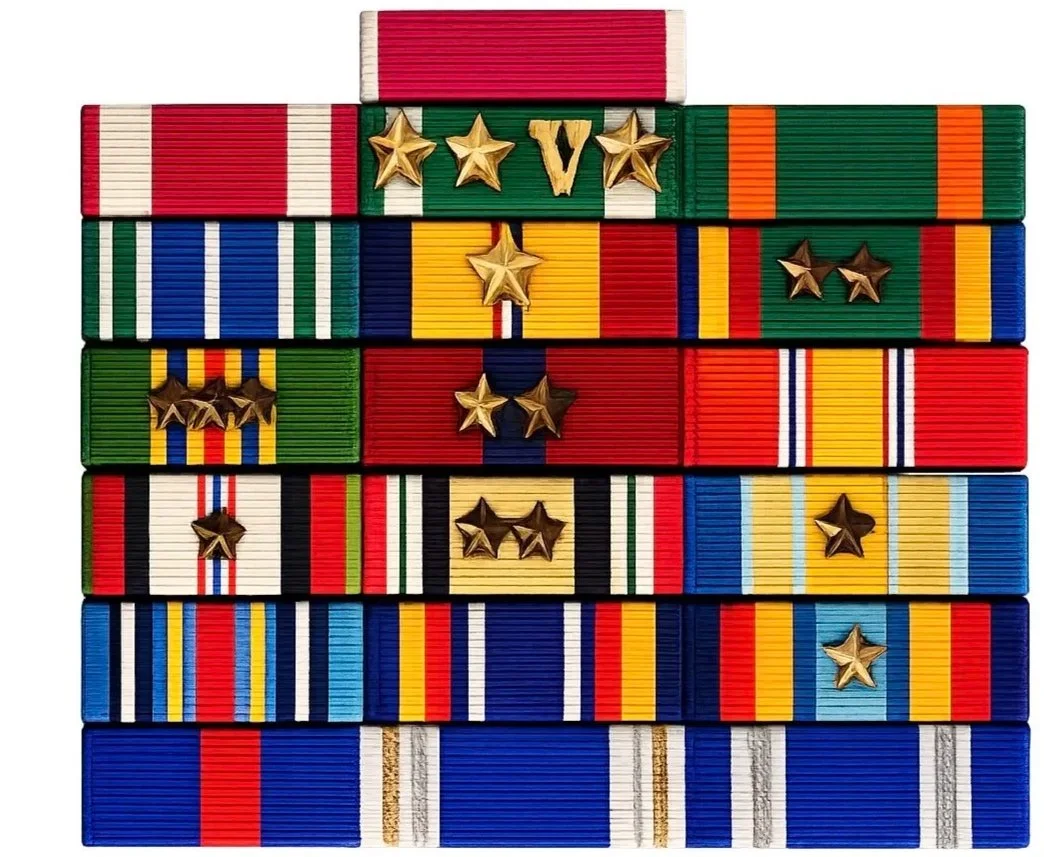
Legion of Merit
Purpose:
The Legion of Merit is one of the United States Armed Forces’ highest personal military decorations. It is awarded to individuals who have demonstrated exceptionally meritorious conduct in the performance of outstanding service and achievement while serving in positions of significant responsibility.
Why It Matters
The Legion of Merit recognizes sustained excellence in leadership, strategic decision-making, organizational management, and exceptional service over an extended period. It is reserved for individuals whose leadership has had a lasting impact on their organization and mission.
How Does This Relate to Serving as Sheriff?
Leading a Sheriff’s Office requires strategic vision, sound judgment, organizational leadership, and an unwavering commitment to public service. The qualities recognized by the Legion of Merit—integrity, accountability, exceptional leadership, and sustained professional excellence—are the same qualities necessary to lead a modern law enforcement agency and serve the citizens of Middlesex County.
Meritorious Service Medal
Purpose:
The Meritorious Service Medal (MSM) is also one of the United States Armed Forces’ highest personal military decorations. It is awarded to service members who distinguish themselves through outstanding meritorious achievement or service while serving in positions of significant responsibility. The medal recognizes sustained excellence in leadership, exceptional performance, and contributions that have a lasting impact on an organization and its mission.
Why It Matters
The Meritorious Service Medal is awarded to leaders who consistently demonstrate superior judgment, professionalism, organizational leadership, and an unwavering commitment to those they serve. It reflects years of exceptional service, accountability, and the ability to lead organizations entrusted with significant responsibilities.
Navy and Marine Corps Commendation Medal
Navy & Marine Corps Commendation Metal with Combat “V”
What Do the Combat “V” and Gold Stars Represent?
The Combat “V” (Valor) device signifies that the award was earned while serving under combat conditions or hostile enemy action. Gold stars indicate that the same medal has been awarded multiple times for separate acts of meritorious service or achievement. Together, they reflect both repeated recognition for outstanding performance and leadership under some of the military’s most demanding conditions.
How Does This Relate to Serving as Sheriff?
Leading a Sheriff’s Office requires sound judgment, integrity, resilience, and the ability to make critical decisions under pressure. The qualities recognized by the Navy and Marine Corps Commendation Medal—leadership, accountability, professionalism, and dedication to others—are the same qualities essential to leading a modern law enforcement agency. Chris Easter’s repeated recognition reflects a career built on earning trust, accepting responsibility, and leading by example.
Combat Action Ribbon
Purpose:
The Combat Action Ribbon (CAR) is awarded to members of the United States Navy, Marine Corps, and Coast Guard who have actively participated in ground or surface combat while under enemy fire or hostile action. Chris Easter was awarded the Combat Action Ribbon twice, reflecting his participation in combat operations during multiple deployments.
Why It Matters
The Combat Action Ribbon is awarded to those who have personally experienced the realities of combat. It recognizes courage, resilience, sound judgment, and the ability to perform effectively in dangerous and unpredictable environments while serving alongside fellow service members.
Navy & Marine Corps Achievement Metal
Purpose:
The Navy and Marine Corps Achievement Medal (NAM) is a personal military decoration awarded to service members who distinguish themselves through outstanding professional achievement, meritorious service, or exceptional performance of duty. It recognizes individuals who consistently exceed expectations and make significant contributions to the success of their unit and mission.
Why It Matters
The Navy and Marine Corps Achievement Medal recognizes initiative, professionalism, leadership, and dedication to excellence. It is awarded to individuals who demonstrate exceptional performance, consistently uphold high standards, and positively impact those they serve alongside.
Army Achievement Metal
Purpose:
The Army Achievement Medal (AAM) is a personal military decoration awarded to members of the United States Army and, in certain circumstances, service members from other military branches who distinguish themselves through outstanding achievement or meritorious service while serving alongside Army units. Chris Easter earned the Army Achievement Medal twice, reflecting exceptional performance recognized beyond his own branch of military service.
Why It Matters
Receiving the Army Achievement Medal demonstrates professionalism, adaptability, and the ability to perform at a high level while working in joint-service environments. It recognizes individuals whose leadership, initiative, and dedication contribute significantly to mission success and earn the respect of fellow service members across multiple branches of the Armed Forces.
Meritorious Mast
Purpose:
A Meritorious Mast is one of the Marine Corps’ highest forms of formal recognition awarded by a commanding officer. It is presented to Marines who distinguish themselves through exceptional leadership, outstanding performance, initiative, professionalism, and dedication to duty. Unlike campaign or service awards, a Meritorious Mast recognizes individual excellence and superior performance in day-to-day responsibilities.
Why It Matters
Receiving a Meritorious Mast reflects a Marine’s commitment to consistently exceeding expectations and setting the standard for others to follow. It recognizes individuals who demonstrate exceptional character, professionalism, leadership, and a strong work ethic while earning the trust and confidence of their commanders.
Iraq Campaign Metal
Purpose:
The Iraq Campaign Medal is awarded to members of the United States Armed Forces who served in direct support of military operations in Iraq. The medal recognizes service in a combat theater during Operation Iraqi Freedom and acknowledges the dedication, sacrifice, and commitment required while deployed in support of national security objectives.
Why It Matters
The Iraq Campaign Medal represents service in one of the most challenging and demanding combat environments of the 21st century. It reflects a willingness to serve in hostile conditions, accomplish difficult missions, and answer the nation’s call during a time of war. Chris Easter earned the Iraq Campaign Medal with two campaign stars, signifying participation in multiple designated campaign phases during his deployment.
Afghanistan Campaign Metal
Purpose:
The Afghanistan Campaign Medal is awarded to members of the United States Armed Forces who served in direct support of military operations in Afghanistan. The medal recognizes service during Operation Enduring Freedom and reflects the commitment, sacrifice, and professionalism required while deployed in support of national security and coalition objectives.
Why It Matters
The Afghanistan Campaign Medal represents service in a demanding combat theater alongside U.S. and coalition forces. It reflects the ability to operate in complex environments, support security operations, and contribute to missions focused on stability, partnership, and protecting others under challenging conditions.
Inherent Resolve Campaign Metal
Purpose:
The Inherent Resolve Campaign Medal is awarded to members of the United States Armed Forces who served in direct support of Operation Inherent Resolve, the multinational campaign to defeat ISIS in Iraq and Syria. The medal recognizes service in a combat theater while supporting operations aimed at restoring regional stability and protecting civilian populations from terrorist organizations.
Why It Matters
The Inherent Resolve Campaign Medal reflects service in one of the most significant multinational military operations of the modern era. It recognizes the dedication, professionalism, and resilience required to serve in a complex operational environment alongside U.S. and coalition forces while confronting evolving security threats.
NATO Non-Article 5 Medal
Purpose:
The NATO Non-Article 5 Medal is awarded to military personnel who serve in NATO-led operations that do not fall under Article 5 of the North Atlantic Treaty. Chris Easter earned this medal while serving alongside allied nations in support of international security, stability, and coalition military operations.
Why It Matters
The NATO Non-Article 5 Medal recognizes successful service as part of a multinational force composed of allied nations working together toward a common mission. It reflects professionalism, adaptability, and the ability to build trust and accomplish objectives while serving alongside military personnel from partner countries around the world.
Global War on Terrorism Expeditionary Metal
Purpose:
The Global War on Terrorism Expeditionary Medal (GWOT-EM) is awarded to members of the United States Armed Forces who deployed abroad in direct support of designated Global War on Terrorism operations. The medal recognizes service in expeditionary environments where military personnel supported combat, counterterrorism, and contingency operations outside the United States.
Why It Matters
The Global War on Terrorism Expeditionary Medal recognizes the commitment, sacrifice, and readiness required to deploy in support of national security missions. It reflects a willingness to answer the nation’s call, serve in challenging operational environments, and contribute to missions focused on protecting the United States and its allies.
How Does This Relate to Serving as Sheriff?
Expeditionary service required adaptability, resilience, teamwork, and the ability to perform effectively in unfamiliar and demanding environments. These experiences strengthened Chris Easter’s leadership, problem-solving, and decision-making abilities—qualities that are essential for leading a Sheriff’s Office, supporting deputies, and protecting the citizens of Middlesex County.
Global War on Terrorism Service Metal
Purpose:
The Global War on Terrorism Service Medal (GWOT-SM) is awarded to members of the United States Armed Forces who served in support of the Global War on Terrorism. The medal recognizes service members who contributed to the nation’s counterterrorism mission through operational support, homeland defense, and military readiness following the events of September 11, 2001.
Why It Matters
The Global War on Terrorism Service Medal recognizes dedication, professionalism, and a commitment to protecting the United States during a time of sustained national security operations. It reflects service in support of one of the largest and longest military efforts in modern American history.
Navy Unit Commendation
Purpose:
The Navy Unit Commendation (NUC) is awarded to military units that distinguish themselves through outstanding heroism or exceptionally meritorious service in support of military operations. While presented to the unit as a whole, the award recognizes the collective professionalism, dedication, and mission accomplishment of every service member assigned to that organization. Chris Easter was awarded the Navy Unit Commendation three times.
Why It Matters
Earning the Navy Unit Commendation reflects service as part of a high-performing organization recognized for exceptional achievement. It demonstrates the ability to contribute to a team that consistently exceeded expectations while accomplishing demanding missions under challenging conditions.
Navy Meritorious Unit Commendation
Purpose:
The Meritorious Unit Commendation (MUC) is awarded to military units that distinguish themselves through exceptionally meritorious conduct and outstanding performance in the accomplishment of challenging missions. Although awarded to the unit, the decoration recognizes the professionalism, dedication, and contributions of every service member assigned to that organization. Chris Easter was awarded the Meritorious Unit Commendation five times.
Why It Matters
Receiving the Meritorious Unit Commendation reflects service in organizations recognized for consistently achieving exceptional results through teamwork, leadership, discipline, and mission accomplishment. Earning the award multiple times demonstrates a career spent contributing to high-performing units that were repeatedly recognized for excellence.
How Does This Relate to Serving as Sheriff?
Leading a successful Sheriff’s Office requires more than individual achievement—it requires building an organization where every employee contributes to a shared mission of serving the community. Serving in units repeatedly recognized for exceptional performance reinforced Chris Easter’s belief that strong leadership, accountability, teamwork, and high standards are the foundation of every successful organization. Those same principles continue to guide his leadership in public service.
Marine Corps Good Conduct Metal
Purpose:
The Marine Corps Good Conduct Medal is awarded to Marines who demonstrate exemplary conduct, efficiency, and fidelity throughout each qualifying period of honorable military service. Chris Easter earned this medal eight times, representing approximately 24 consecutive years of honorable and disciplined service while consistently meeting the Marine Corps' high standards of professionalism and personal conduct.
Why It Matters
The Marine Corps Good Conduct Medal recognizes more than simply avoiding misconduct—it reflects years of integrity, accountability, self-discipline, and unwavering commitment to the Marine Corps' core values of Honor, Courage, and Commitment. Earning the award eight times demonstrates a sustained record of professionalism and ethical service throughout an entire career.
How Does This Relate to Serving as Sheriff?
Citizens expect their Sheriff to lead with integrity, professionalism, and accountability every day—not just during major events. Chris Easter's record of earning the Marine Corps Good Conduct Medal eight times reflects decades of consistently meeting high standards of conduct, discipline, and ethical leadership. Those same values continue to guide his commitment to serving the citizens of Middlesex County with honesty, professionalism, and respect.
Sea Service Deployment Ribbon
Purpose:
The Sea Service Deployment Ribbon is awarded to members of the United States Navy and Marine Corps who successfully complete qualifying overseas deployments in support of operational missions. Chris Easter earned this ribbon six times, reflecting multiple deployments in support of military operations around the world.
Why It Matters
The Sea Service Deployment Ribbon recognizes the commitment, resilience, and sacrifice required to serve away from home for extended periods while supporting national security objectives. Earning the ribbon six times demonstrates a career marked by repeated deployments, operational readiness, and a willingness to answer the nation’s call whenever needed.
How Does This Relate to Serving as Sheriff?
Repeated deployments required adaptability, resilience, teamwork, and an unwavering commitment to mission accomplishment despite challenging and unpredictable conditions. Those same qualities are essential in law enforcement, where public servants must remain dependable, prepared, and ready to respond whenever their community needs them. Chris Easter’s history of repeated deployments reflects a lifelong commitment to service, reliability, and leadership.
Marine Corps Recruiting Ribbon
Purpose:
The Marine Corps Recruiting Ribbon is awarded to Marines who successfully complete a tour of duty as a Marine Corps recruiter. Recruiters are entrusted with representing the Marine Corps to the public, identifying and mentoring future Marines, and selecting individuals who possess the character, leadership potential, and commitment to earn the title of United States Marine.
Why It Matters
Serving as a Marine Corps recruiter requires integrity, professionalism, communication, and the ability to build trust within the community. Recruiters represent the Marine Corps to thousands of individuals and families while helping shape the future of the organization by identifying and developing the next generation of leaders.
How Does This Relate to Serving as Sheriff?
Leading a Sheriff’s Office requires strong communication, community engagement, and the ability to recognize and develop talented people. Chris Easter’s experience as a Marine Corps recruiter strengthened his ability to build relationships, mentor others, evaluate character, and inspire individuals to pursue a life of service. These same skills are essential for recruiting and retaining high-quality deputies, strengthening community partnerships, and building the future of the Middlesex County Sheriff’s Office.
National Defense Service Metal
Purpose:
The National Defense Service Medal is awarded to members of the United States Armed Forces who serve honorably during designated periods of national emergency or armed conflict. It recognizes those who answered the nation’s call to serve during times when the United States required a heightened state of military readiness and national defense.
Why It Matters
The National Defense Service Medal reflects a commitment to serving the country during a critical period in American history. It recognizes honorable military service during times when the nation’s security depended on the dedication, readiness, and professionalism of its Armed Forces.
How Does This Relate to Serving as Sheriff?
Serving during a period of national conflict reinforced the values of duty, preparedness, and selfless service. Those same principles continue to guide Chris Easter’s leadership and commitment to protecting the citizens of Middlesex County with professionalism, integrity, and accountability.
NATO Active Endeavor Medal
Purpose:
The NATO Active Endeavour Medal is awarded to military personnel who served in support of Operation Active Endeavour, a NATO-led maritime security operation established following the September 11, 2001 terrorist attacks. The operation focused on counterterrorism, maritime security, intelligence gathering, and protecting international shipping throughout the Mediterranean Sea.
Why It Matters
The NATO Active Endeavour Medal recognizes service as part of a multinational coalition dedicated to preventing terrorism, protecting global commerce, and strengthening international security. It reflects professionalism, adaptability, and the ability to work alongside allied nations in support of a common mission.
How Does This Relate to Serving as Sheriff?
Protecting communities requires vigilance, strong partnerships, and a commitment to preventing threats before they occur. Serving in a multinational counterterrorism operation reinforced Chris Easter’s understanding of preparedness, teamwork, information sharing, and proactive leadership. These same principles continue to guide his commitment to public safety and protecting the citizens of Middlesex County.
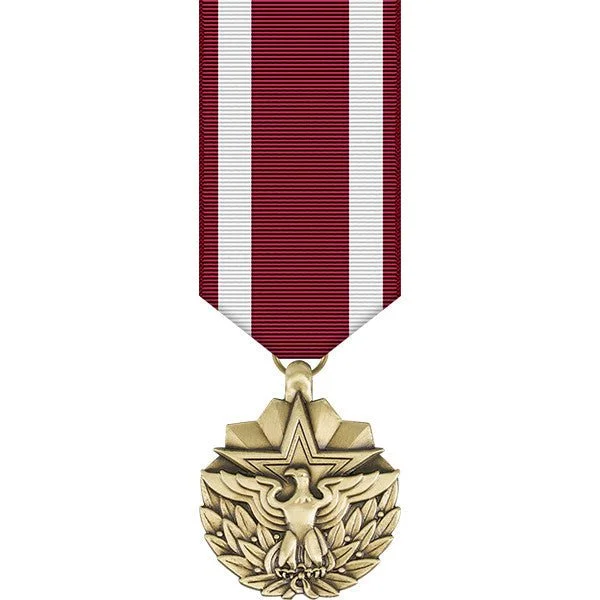
How Does This Relate to Serving as Sheriff?
Leading a Sheriff’s Office requires more than experience—it requires proven leadership, sound judgment, accountability, and the ability to build and lead high-performing organizations. The qualities recognized by the Meritorious Service Medal are the same qualities expected of an effective Sheriff: integrity, professionalism, strategic leadership, and an enduring commitment to serving others.
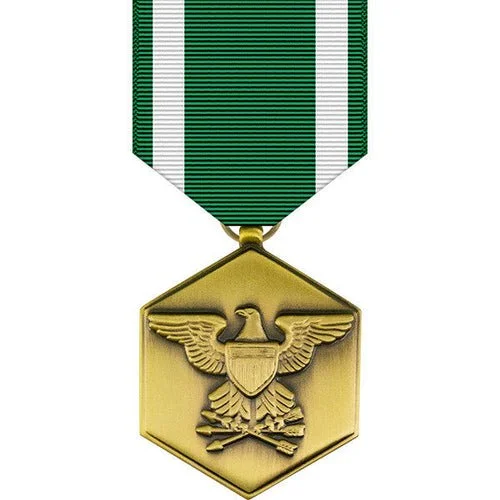


How Does This Relate to Serving as Sheriff?
Although military combat and law enforcement are fundamentally different professions, both require calm decision-making under pressure, disciplined leadership, teamwork, and an unwavering commitment to protecting others. Chris Easter’s combat experience reinforced the importance of preparation, accountability, and making sound decisions in high-stress situations—qualities that are essential for leading a Sheriff’s Office and serving the citizens of Middlesex County.
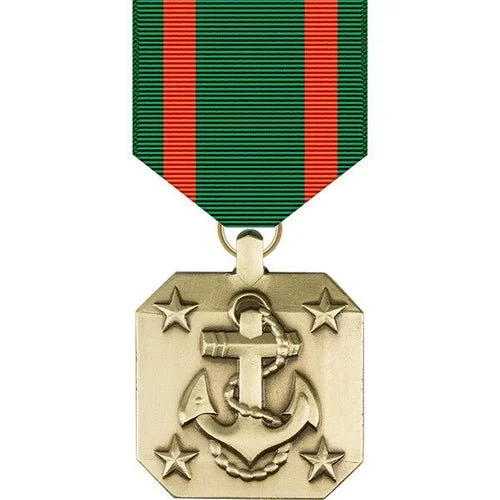
How Does This Relate to Serving as Sheriff?
An effective Sheriff must lead by example, maintain high professional standards, and continually strive for excellence in serving the community. The qualities recognized by the Navy and Marine Corps Achievement Medal—initiative, accountability, professionalism, and dedication to mission accomplishment—are the same qualities that contribute to effective law enforcement leadership and public service.
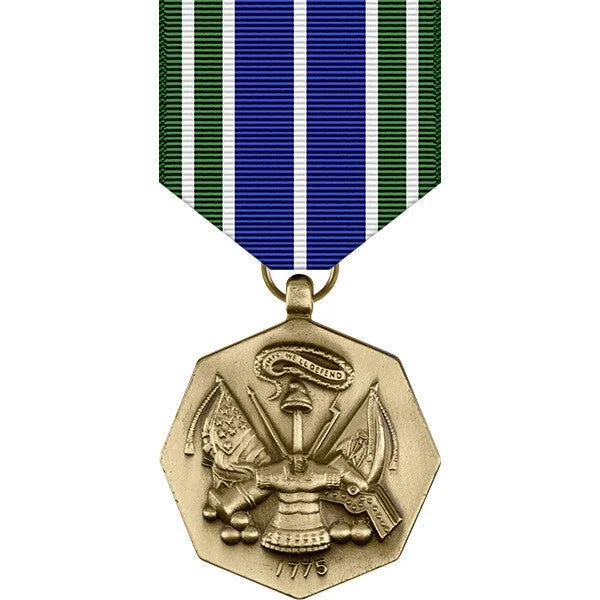
How Does This Relate to Serving as Sheriff?
Effective law enforcement depends on strong partnerships and collaboration between agencies. Throughout his career, Chris Easter worked alongside personnel from multiple branches of the military, developing the ability to communicate, coordinate, and lead across diverse organizations. The leadership, professionalism, and teamwork recognized by the Army Achievement Medal reflect the same qualities needed to work effectively with neighboring law enforcement agencies, fire and EMS personnel, state and federal partners, and the citizens of Middlesex County.
How Does This Relate to Serving as Sheriff?
Leading a Sheriff’s Office requires integrity, initiative, accountability, and a commitment to excellence. The same qualities recognized by a Meritorious Mast—professionalism, leadership, and consistently performing above expectations—are essential for building public trust, developing personnel, and leading a law enforcement agency dedicated to serving its community.
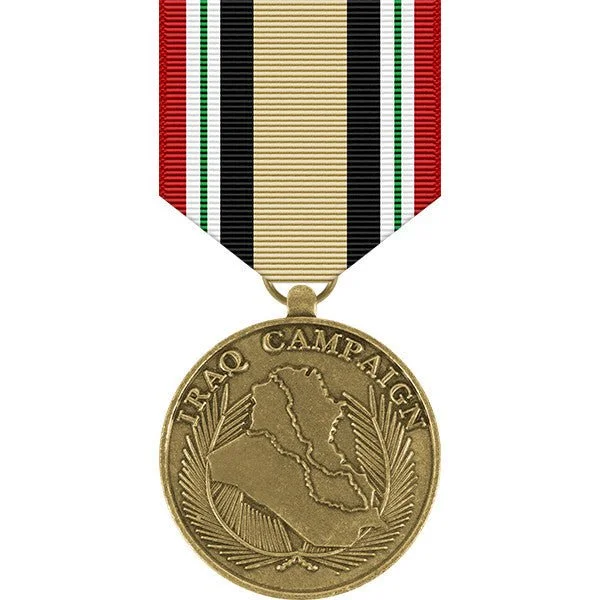
How Does This Relate to Serving as Sheriff?
Serving in a combat environment required adaptability, resilience, teamwork, and the ability to make sound decisions under pressure. While military service and law enforcement are distinct professions, the leadership, discipline, accountability, and commitment developed through combat deployments continue to shape Chris Easter’s approach to public service, crisis management, and leading others with integrity.

How Does This Relate to Serving as Sheriff?
Service in Afghanistan required discipline, sound judgment, teamwork, adaptability, and the ability to remain focused under pressure. These qualities are also essential in law enforcement leadership, where protecting the public, supporting personnel, and making responsible decisions during difficult situations are central responsibilities of a Sheriff.
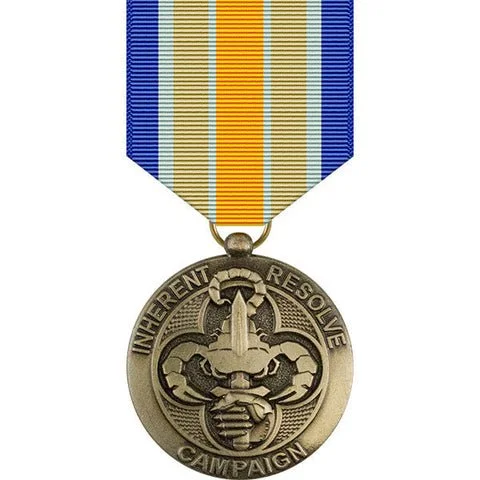
How Does This Relate to Serving as Sheriff?
Operation Inherent Resolve demanded teamwork, adaptability, strategic thinking, and the ability to work alongside multiple organizations toward a common mission. Those same leadership qualities are essential in law enforcement, where effective partnerships, sound decision-making, and a commitment to protecting the public are critical to maintaining safe communities and leading a successful Sheriff’s Office.
How Does This Relate to Serving as Sheriff?
Effective leadership requires collaboration, communication, and the ability to work with diverse organizations toward a common goal. Serving in a NATO coalition strengthened Chris Easter’s ability to build partnerships, coordinate with multiple agencies, and lead in complex environments. These same qualities are essential for a Sheriff working alongside neighboring law enforcement agencies, fire and EMS personnel, state and federal partners, and the citizens of Middlesex County.
How Does This Relate to Serving as Sheriff?
Protecting a community requires vigilance, preparedness, and an unwavering commitment to public service. The values recognized by the Global War on Terrorism Service Medal—duty, readiness, teamwork, and dedication to mission accomplishment—continue to guide Chris Easter’s leadership philosophy and his commitment to serving and protecting the citizens of Middlesex County.
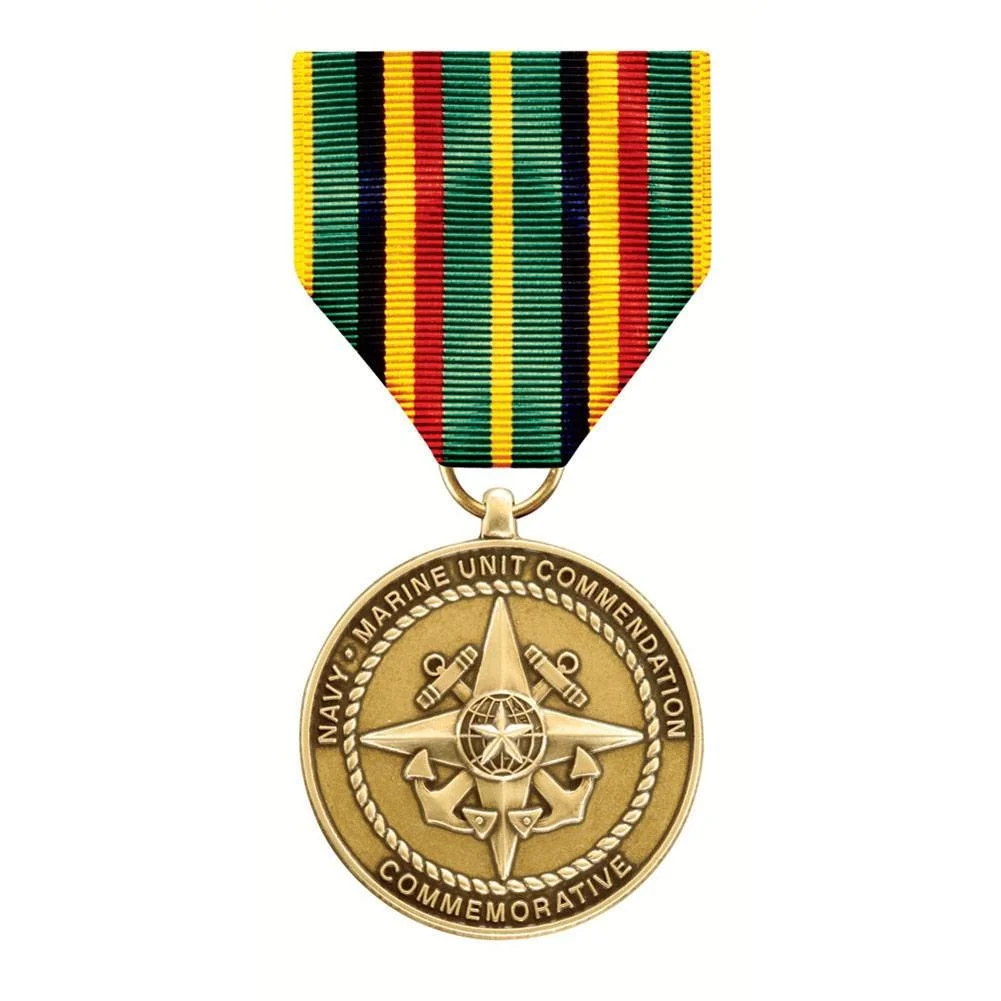
How Does This Relate to Serving as Sheriff?
A successful Sheriff’s Office depends on teamwork, accountability, and a shared commitment to excellence. Serving in units recognized with the Navy Unit Commendation reinforced the importance of building strong organizations, supporting fellow team members, and working together to accomplish a common mission. These same principles continue to guide Chris Easter’s leadership philosophy in serving the citizens of Middlesex County.
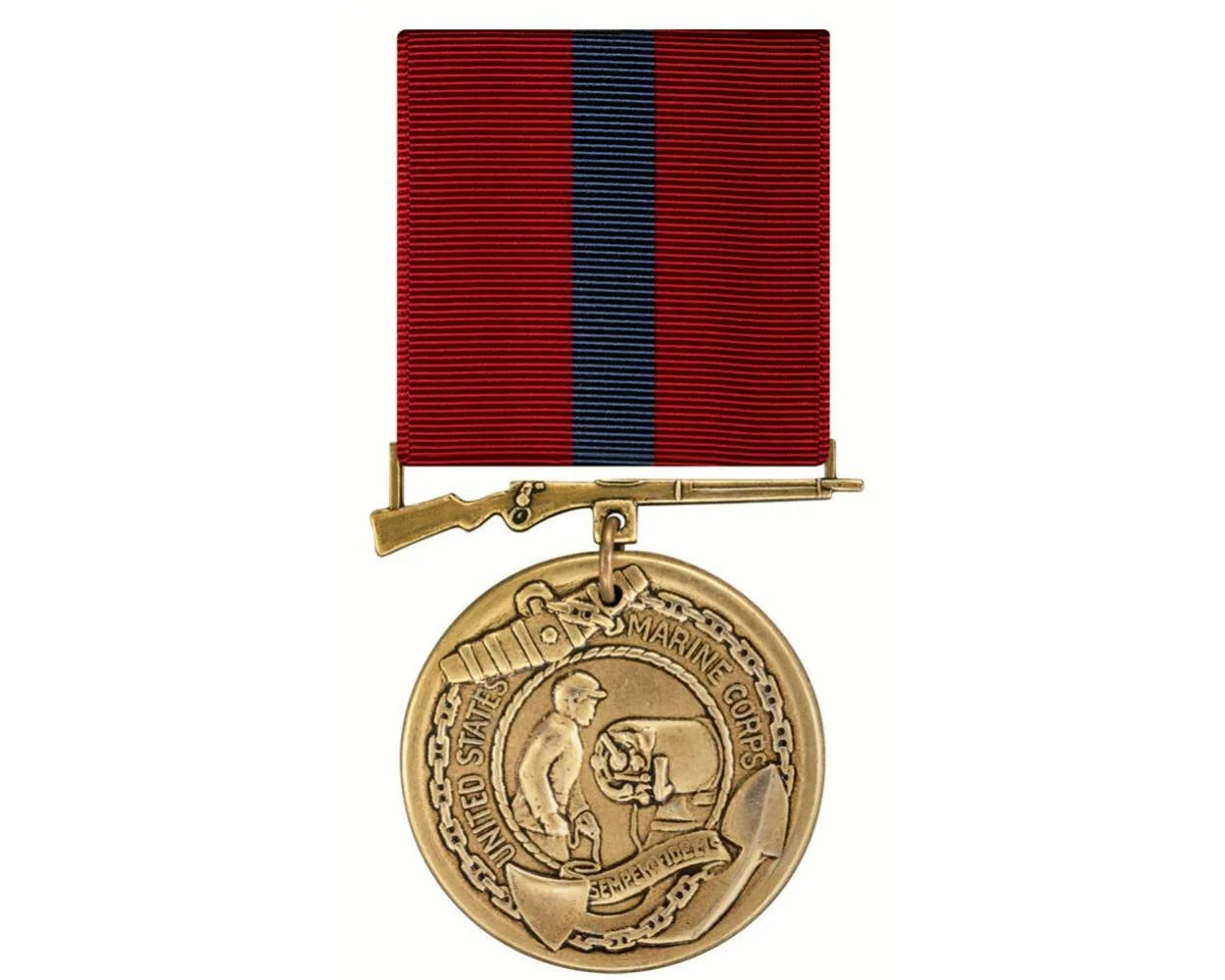


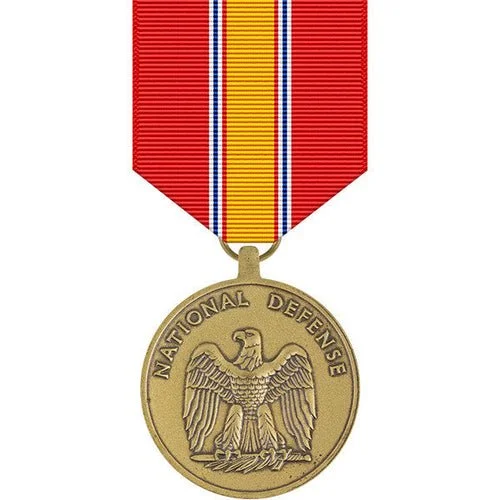
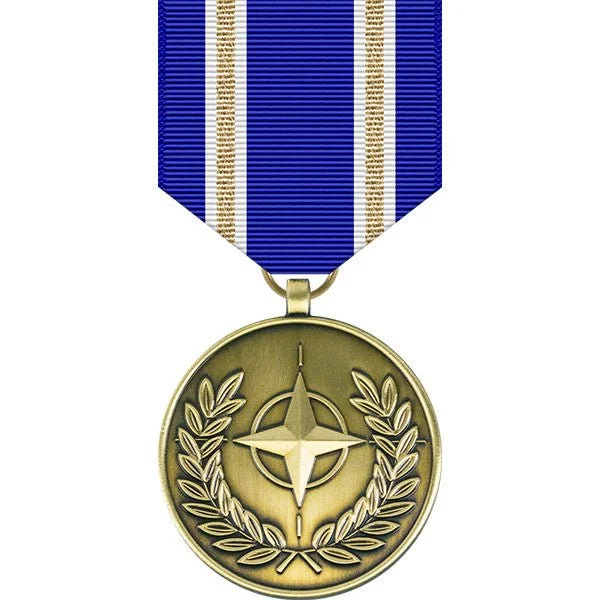
“I am honored by every award I received, but if given the choice, I would trade every medal and ribbon for the chance to bring back the Marines and friends we lost in combat.”
Purpose:
The Navy and Marine Corps Commendation Medal is one of the United States Navy and Marine Corps’ highest personal military decorations. It is awarded to service members who distinguish themselves through sustained acts of heroism, meritorious achievement, or outstanding service. Chris Easter earned this prestigious award four times, including one award with the Combat “V” device, recognizing meritorious service performed under combat conditions.
Why It Matters
Receiving the Navy and Marine Corps Commendation Medal reflects exceptional leadership, professional excellence, and sustained contributions that significantly impact mission success. Earning the award multiple times demonstrates a consistent record of superior performance, while the Combat “V” device signifies leadership and meritorious service in the face of hostile conditions.
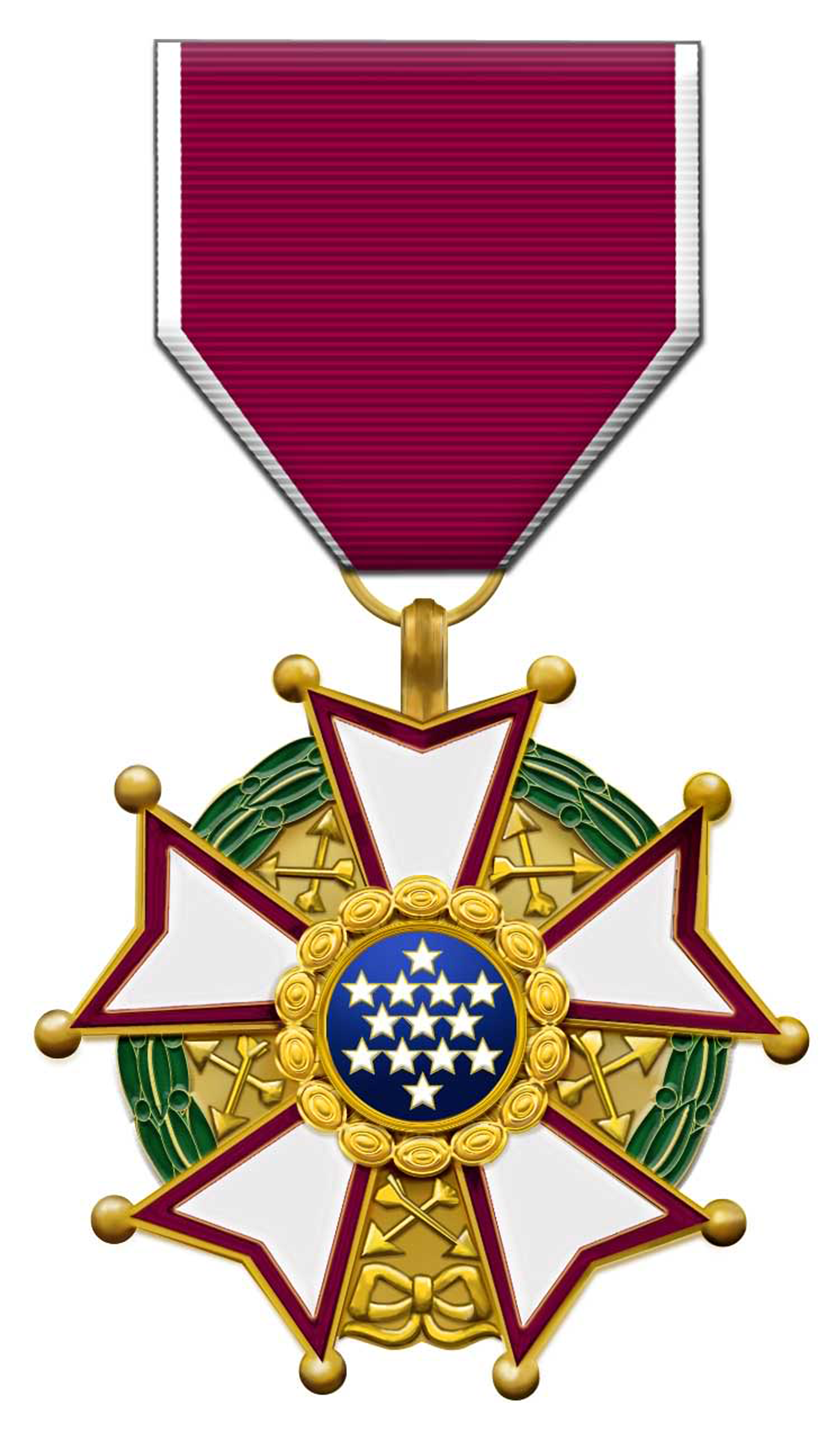
Middlesex County Sheriff’s Office Career
Deputy Sheriff
Middlesex County Sheriff’s Office
As a Deputy Sheriff with the Middlesex County Sheriff’s Office, Chris Easter was entrusted with protecting the lives, rights, and property of the citizens of Middlesex County through proactive law enforcement, community engagement, and professional public service. Deputies serve as the primary responders to emergencies, enforce the laws of the Commonwealth of Virginia, investigate criminal activity, and work closely with the community to preserve public safety and maintain public trust.
Responsibilities
Responded to emergency and non-emergency calls for service.
Conducted criminal investigations and gathered evidence.
Enforced Virginia criminal and traffic laws.
Conducted traffic enforcement and crash investigations.
Served criminal and civil warrants.
Prepared detailed reports, affidavits, and court documents.
Conducted interviews and witness statements.
Collected and preserved evidence.
Made lawful arrests based on probable cause.
Testified in General District and Circuit Court proceedings.
Assisted with search warrants and major investigations.
Responded to domestic violence incidents, mental health crises, and critical incidents.
Worked closely with Fire, EMS, neighboring law enforcement agencies, and community partners.
Engaged in community policing to build trust and strengthen relationships with citizens.
Maintained professionalism, integrity, and accountability while serving the public.
Sergeant
Middlesex County Sheriff’s Office
Responsibilities
Helps lead the daily operations of the Middlesex County Sheriff’s Office.
Oversees command staff, supervisors, deputies, and civilian personnel.
Provides executive leadership in the administration and operation of the Sheriff’s Office.
Develops and implements agency policies, procedures, and operational priorities.
Directs patrol operations, criminal investigations, court security, and specialized law enforcement functions.
Manages personnel assignments, staffing, scheduling, and organizational readiness.
Oversees agency training, professional development, and leadership development.
Reviews critical incidents, major investigations, and operational responses.
Coordinates emergency management efforts, disaster response, and interagency cooperation.
Prepares and manages agency budgets, resource allocation, equipment purchases, and long-term organizational planning.
Ensures compliance with Virginia law, agency policy, professional standards, and accreditation goals.
Oversees hiring, promotions, employee evaluations, disciplinary matters, and personnel development.
Works closely with county leadership, the courts, Fire & EMS, neighboring law enforcement agencies, and community partners.
Represents the Sheriff’s Office at meetings, public events, and interagency functions on behalf of the Sheriff when appropriate.
Coordinates public safety initiatives, crime prevention efforts, and community outreach programs.
Oversees the implementation of new technology, equipment, and operational improvements.
Develops emergency preparedness plans and coordinates responses to major incidents and natural disasters.
Ensures responsible stewardship of taxpayer resources through sound fiscal management.
Promotes transparency, accountability, professionalism, and public trust throughout the Sheriff’s Office.
Serves as the Sheriff’s principal advisor on operational, administrative, and personnel matters.
Helps ensure the Sheriff’s Office fulfills its constitutional responsibilities while delivering effective and professional public safety services to the citizens of Middlesex County.
“Real change doesn’t happen from the sidelines—it happens by showing up every day, earning trust, and doing the work to build something better.”
— Chris Easter
How Does This Experience Make Someone a Better Sheriff?
A Sheriff is most effective when they have firsthand knowledge of the community, the people they serve, and the deputies they lead. Chris Easter has spent his law enforcement career serving the citizens of Middlesex County—responding to calls for service, investigating crimes, working alongside local deputies, building relationships with community members, and addressing the challenges unique to this county.
Every emergency, investigation, traffic stop, community interaction, and late-night call for service has strengthened his understanding of Middlesex County and the people who call it home. That experience provides a level of familiarity, continuity, and institutional knowledge that can only be gained by serving this community day after day.
As a Sergeant with the Middlesex County Sheriff’s Office, Chris Easter was entrusted with supervising patrol operations, mentoring deputies, ensuring accountability, and maintaining the professional standards expected of the Sheriff’s Office. In addition to responding to calls for service, Sergeants provide leadership during critical incidents, oversee investigations, make operational decisions, and serve as the first line of leadership responsible for the safety, effectiveness, and development of their deputies.
Responsibilities
Supervised patrol deputies and daily law enforcement operations.
Provided leadership during critical incidents and emergency responses.
Oversaw criminal investigations and major case coordination.
Reviewed reports, affidavits, warrants, and other legal documents for accuracy and completeness.
Directed patrol operations and resource deployment.
Mentored, trained, and evaluated deputy sheriffs.
Ensured compliance with agency policies, Virginia law, and professional standards.
Coordinated responses with Fire, EMS, neighboring law enforcement agencies, and state partners.
Assisted with tactical operations, search warrants, and high-risk incidents.
Managed personnel performance, accountability, and discipline when appropriate.
Provided guidance and support during complex investigations and major incidents.
Fostered community partnerships while maintaining public trust and organizational professionalism.
How Does This Experience Make Someone a Better Sheriff?
Leadership is developed through experience, but the best leaders understand the community they serve because they have grown alongside it. As a Sergeant, Chris Easter wasn’t leading deputies in another county—he was leading the men and women serving the citizens of Middlesex County every day.
While supervising patrol operations, guiding criminal investigations, mentoring deputies, and responding to critical incidents, he gained firsthand knowledge of the county’s neighborhoods, its citizens, its challenges, and the dedicated deputies who protect it. Those experiences provided not only leadership experience, but also a deep understanding of the people and community he now seeks to serve as Sheriff.
Devotion is not something you say—it is something you show. For years, Chris Easter has shown his devotion to Middlesex County by serving its citizens, supporting the deputies who protect it, and working every day to make our community safer.
Chief Deputy / Major
Middlesex County Sheriff’s Office
As Major and Chief Deputy, Chris Easter is responsible for the day-to-day leadership and administration of the Middlesex County Sheriff’s Office. He oversees patrol operations, court security, personnel, training, policy development, budgeting, equipment, and long-term planning while ensuring the office continues to serve the citizens of Middlesex County effectively.
In this role, Chris has been entrusted with many of the responsibilities traditionally associated with the Sheriff. He works directly with county officials, oversees agency operations, manages command staff, makes critical operational decisions, addresses personnel matters, coordinates major incidents, and helps guide the Sheriff’s Office through its daily mission of protecting and serving Middlesex County.
Chris believes leadership is earned through service. Throughout his career, he has focused on improving the Sheriff’s Office from within—raising professional standards, strengthening accountability, supporting deputies, and working toward accreditation so the Middlesex County Sheriff’s Office becomes an agency employees are proud to serve and citizens are proud to trust.
How Does This Experience Make Someone a Better Sheriff?
As the current Chief Deputy and Major, Chris Easter helps lead the Middlesex County Sheriff’s Office every day. He works alongside deputies, supervisors, county leaders, and community members to strengthen the agency, support its employees, and improve the services provided to the citizens of Middlesex County.
Chris Easter believes meaningful change begins from within. Throughout his time in leadership, he has worked to strengthen professionalism, improve accountability, invest in employee development, modernize operations, and build an organization that deputies are proud to serve and citizens are proud to support.
His vision extends beyond today’s challenges. Chris Easter is committed to continuing the progress already underway by pursuing professional accreditation, investing in training and leadership development, strengthening community trust, and building a Sheriff’s Office recognized for excellence, integrity, and service.